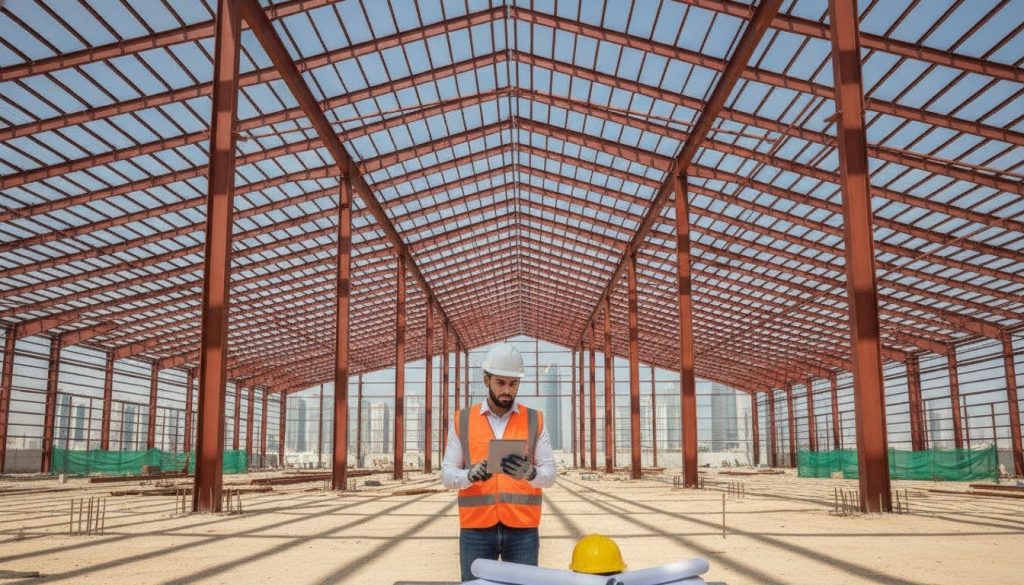
Tag: Procurement

Mild Steel Angle Bars: Engineering & Procurement Guide 2026

Mild Steel Angle Bars: Engineering & Procurement Guide 2026

A single oversight in material grade compliance can compromise the structural integrity of an entire national infrastructure project before the first bolt is even tightened. In the high-stakes environment of heavy industry, the reliability of your supply chain is the only safeguard against catastrophic failure and costly project delays. You likely recognize that sourcing mild steel angle bars involves much more than comparing basic dimensions; it requires a rigorous alignment with ASTM or EN standards to ensure long-term durability and safety.

This comprehensive guide provides the technical clarity needed to master specifications and procurement standards for 2026. By following these benchmarks, you can secure high-quality structural steel that meets international codes while utilizing cut-to-size customization to eliminate on-site waste. We’ll examine the critical differences between equal and unequal profiles, the operational advantages of specialized surface treatments, and the logistical frameworks required to maintain precision in large-scale industrial supply. This methodical approach ensures your procurement strategy remains a foundational pillar for engineering excellence.

Key Takeaways

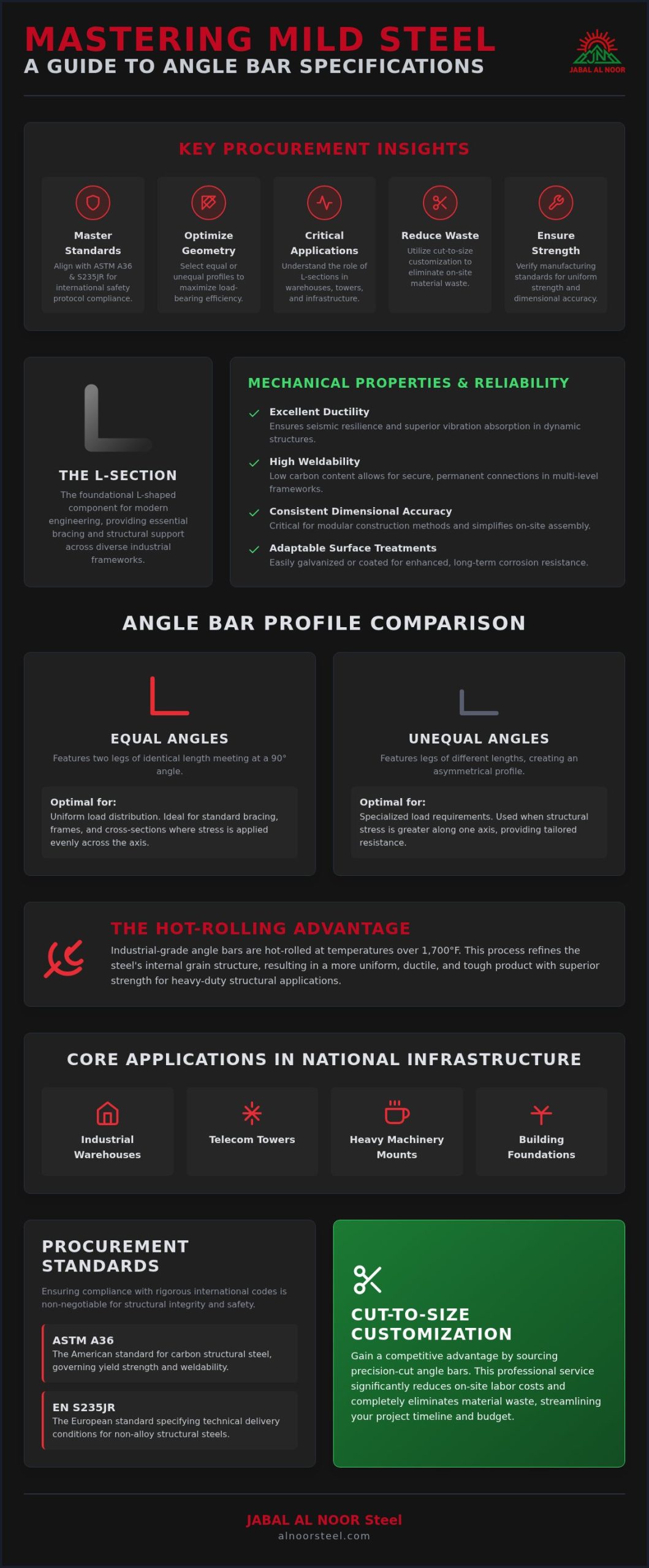
  • Master the technical distinctions between ASTM A36 and S235JR to ensure your structural steel aligns with rigorous international safety and engineering protocols.
  • Learn how to select the optimal geometry between equal and unequal mild steel angle bars to maximize load-bearing efficiency in specialized frameworks.
  • Identify the critical role of high-strength, hot-rolled L-sections in national infrastructure, ranging from industrial warehouses to telecommunication towers.
  • Discover how utilizing professional cut-to-size customization reduces on-site labor and eliminates material waste in large-scale procurement.
  • Gain clarity on the manufacturing standards that ensure uniform strength and dimensional accuracy for long-term structural stability in heavy-duty projects.

Understanding Mild Steel Angle Bars in Modern Engineering

Mild steel angle bars are foundational components in structural engineering, defined by their distinctive L-shaped cross-section with two perpendicular legs. These sections provide essential bracing and support across diverse industrial frameworks, serving as the skeletal structure for everything from heavy machinery mounts to building foundations. Their primary appeal lies in the balance between structural rigidity and manufacturing precision, making them indispensable for large-scale infrastructure projects that demand high endurance.

The versatility of these components stems from their low carbon content, which ensures exceptional weldability and ease of fabrication. For a deeper context on how these materials fit into broader construction standards, Understanding Structural Steel provides a comprehensive overview of the material science involved. Engineers rely on these bars not only for their load-bearing capacity but also for their predictable performance under stress. It’s this reliability that makes them the industry standard for permanent structural connections.

To visualize the manufacturing and appearance of these structural elements, watch this brief overview:

The Manufacturing Process: Hot-Rolled vs. Cold-Formed

Most industrial-grade mild steel angle bars are produced through the hot-rolling process. This involves passing the steel through rollers at temperatures exceeding 1,700°F, which is above the material’s recrystallization point. This high-temperature shaping improves the internal grain structure, resulting in a more uniform and ductile product. While cold-formed sections offer tighter tolerances for smaller applications, hot-rolled angles provide the superior strength and toughness required for heavy-duty structural frames. The cooling process typically leaves a characteristic blue-grey mill scale on the surface, which serves as a protective layer and a base for further surface treatments. You can explore a wide range of these long products at alnoorsteel.com/shop to find sections that meet your specific project requirements.

Mechanical Properties and Structural Reliability

The structural reliability of MS angles is governed by their mechanical properties, specifically tensile strength and yield point. These bars offer a high weight-to-strength ratio, allowing engineers to design rigid frameworks without adding excessive mass. Their geometric 90-degree shape provides high resistance to bending in multiple directions, which is critical for maintaining the integrity of trusses and support columns. Because they don’t easily deform under heavy loads, they contribute significantly to the overall rigidity of a framework. This structural stability is enhanced by several core characteristics:

  • Excellent ductility for seismic resilience and vibration absorption
  • High weldability for secure, permanent connections in multi-level structures
  • Consistent dimensional accuracy for modular construction and easy assembly
  • Adaptability to various surface treatments, such as galvanization, for corrosion resistance

Comparing Equal and Unequal Angle Bar Profiles

Engineering precision requires a deliberate choice between equal and unequal geometries. While both variants share the same foundational L-shaped profile, their behavior under structural stress differs significantly based on leg symmetry. Procurement teams must identify these differences early to ensure that the mild steel angle bars delivered to the site align perfectly with the specific load-bearing requirements of the project blueprints.

Equal Angles: Symmetry for Uniform Load Distribution

Equal angles feature two legs of identical length, meeting at a precise 90-degree angle. This symmetry makes them the industry standard for bracing and cross-sections where the load is distributed evenly across the axis. Engineers prefer equal sections for simple frames because the identical leg dimensions simplify calculations for moment of inertia and radius of gyration. These components are commonly utilized in light-to-medium construction for roof trusses, gate frames, and general support brackets. Because the weight is distributed symmetrically, they provide a predictable and stable performance in standard structural grids.

Unequal Angles: Solutions for Eccentric Loading

In contrast, unequal angles consist of one leg longer than the other. This asymmetrical design is specifically engineered to resist bending or twisting forces in applications where the load is not centered, often referred to as eccentric loading. By utilizing a section with varying leg dimensions, engineers can optimize material usage, placing more steel exactly where the highest stress occurs. This efficiency is particularly valuable in the construction of lintels, specialized machinery supports, and complex ship-building frames where space constraints or specific loading paths dictate the geometry.

Selecting the correct leg ratio is not merely a matter of strength; it’s a strategy for logistical efficiency. For instance, using an unequal angle for a structural lintel can provide the necessary horizontal support without the unnecessary weight of a larger equal-leg section. This precision helps in managing total project mass and reducing material costs over large-scale procurement cycles. Standard identification in engineering blueprints follows a consistent nomenclature that must be strictly adhered to during the ordering process:

  • Equal Sections: L (Leg Width) x (Leg Width) x (Thickness), such as L 100x100x10.
  • Unequal Sections: L (Long Leg) x (Short Leg) x (Thickness), such as L 125x75x8.

Understanding these designations ensures that procurement remains transparent and error-free. To find the exact dimensions required for your next infrastructure project, you can browse our comprehensive range of structural steel. Each section is sourced to meet rigorous dimensional tolerances, providing the stability and endurance your engineering designs demand.

Core Applications Across National Infrastructure Projects

While small-scale retail applications often focus on simple shelving or residential gates, the true utility of mild steel angle bars is realized within the rigorous demands of national infrastructure. These sections serve as the critical connective tissue in heavy-duty engineering, providing the necessary bracing and structural reinforcement for projects that define a nation’s industrial capacity. Their ability to resist both tension and compression makes them the primary choice for engineers designing systems that must endure decades of operational stress and environmental exposure.

Industrial Warehousing and PEB Structures

In the construction of industrial warehouses and pre-engineered buildings (PEB), angle bars provide essential lateral stability. These structures often span vast areas and require robust bracing systems to resist environmental wind loads and seismic forces. By integrating these angles with larger MS Beams, engineers create a comprehensive support network that prevents frame distortion. The angles are typically utilized as “X-bracing” or “K-bracing” along the wall and roof planes, ensuring the building remains rigid even under extreme pressure. This synergy between different long products creates a foundational pillar for modern logistics hubs and manufacturing plants.

Energy and Telecommunication Infrastructure

The energy and telecommunications sectors rely heavily on the geometric efficiency of mild steel angle bars for lattice tower construction. Whether supporting high-tension power lines or housing advanced microwave equipment, these towers must maintain perfect verticality while exposed to high-altitude wind speeds. MS angles are the preferred profile here because their open L-shape prevents the accumulation of water and debris, which simplifies long-term maintenance in remote sites. Compliance with national standards for high-tension environments ensures these structures can support heavy cabling and equipment without risking fatigue or structural collapse. Their ease of assembly allows for rapid deployment across diverse geographical terrains, supporting the steady expansion of national utility networks.

Beyond these primary structures, angle bars are indispensable for industrial safety and mechanical support systems. You’ll find them in the fabrication of:

  • Industrial Staircases and Walkways: Providing the structural frame and nosing for heavy-duty steel gratings in oil and gas refineries.
  • Mechanical Support Brackets: Securing HVAC systems, piping networks, and electrical conduits in large-scale commercial complexes.
  • Safety Guardrails: Offering high-impact resistance along elevated platforms and industrial perimeter fencing.

This wide-ranging utility underscores the importance of sourcing material that meets precise technical proficiency. When procurement teams prioritize high-grade MS angles, they aren’t just buying steel; they’re ensuring the long-term endurance of the nation’s most vital assets.
Mild Steel Angle Bars: Engineering & Procurement Guide 2026

Procurement Standards: ASTM A36 and S235JR Compliance

In the context of large-scale infrastructure, procurement precision starts with material grade compliance. Selecting the correct standard for mild steel angle bars ensures that the structural integrity of the project matches the engineer’s design intent. While several international standards exist, ASTM A36 and S235JR remain the most prevalent benchmarks for structural carbon steel. ASTM A36 is the North American standard, valued for its excellent weldability and balanced mechanical properties. Conversely, S235JR, governed by the European EN 10025 standard, is a general-purpose construction grade with a minimum yield strength of 235 MPa.

Choosing between these grades often depends on the specific project requirements and the regional engineering codes in effect. Material certification is not merely a formality; it’s a critical component of project safety and insurance underwriting. Verification of chemical composition and mechanical testing results protects the asset owner from material fatigue or catastrophic failure. Rigorous documentation ensures that every section used in the framework can withstand the calculated loads and environmental pressures.

Navigating International Steel Grades

Engineers must distinguish between ASTM, EN, and JIS standards to ensure global compatibility. For instance, while ASTM A36 is a standard for carbon steel, the S235JR grade includes a specific “JR” designation indicating longitudinal Charpy V-notch impact strength. Understanding how Structural Steel Quality Standards impact procurement allows teams to select the appropriate grade for specific load-bearing requirements. This technical proficiency reduces confusion during the sourcing phase and ensures that the materials delivered to the site perform as expected under the nation’s unique environmental conditions.

Dimensional Tolerances and Quality Certification

Beyond material grade, dimensional accuracy is paramount for seamless on-site assembly. Quality control involves checking for straightness, leg length, and thickness accuracy against specified tolerances. Every batch of mild steel angle bars must be accompanied by a Mill Test Certificate (MTC). This document serves as the official record of the steel’s origin, verifying its chemical properties and mechanical performance. A comprehensive MTC will detail the following critical parameters:

  • Chemical Composition: Precise levels of carbon, manganese, phosphorus, and sulfur.
  • Mechanical Performance: Verified tensile strength, yield strength, and elongation percentages.
  • Heat Number: Traceability back to the specific furnace batch.

Ensuring compliance with national building codes and safety regulations is impossible without this documentation. Rigorous certification processes protect the supply chain from inconsistent material quality. To secure certified structural materials that meet these exacting benchmarks, you can source your industrial steel inventory here. By prioritizing documented quality, procurement managers maintain the high standards required for national energy and infrastructure projects.

Sourcing Precision-Cut Angle Bars from JABAL AL NOOR Steel

JABAL AL NOOR Steel has served as a foundational pillar for national infrastructure since 2010. We maintain a comprehensive inventory of long products designed to meet the high-volume demands of the construction and energy sectors. Our robust supply chain ensures that premium mild steel angle bars are readily available for complex projects, providing the material consistency required for rigorous engineering benchmarks. This steady availability allows project managers to plan with confidence, knowing their structural requirements are backed by a reliable regional expert.

Value-Added Services: Cut-to-Size and Finishing

Operational efficiency in heavy industry is often achieved by reducing on-site labor and minimizing material waste. Utilizing Cut-to-Size Steel Services allows procurement managers to receive sections that are prepared for immediate structural integration. This level of customization lowers transport costs and removes the logistical burden of managing excess material at the project site. It’s a methodical approach that prioritizes precision over traditional, wasteful fabrication methods.

To combat the corrosive effects of high-humidity environments, we offer industrial surface treatments such as shot blasting and priming. Shot blasting effectively removes mill scale and surface contaminants, providing an ideal profile for protective finishes. Applying an industrial-grade primer immediately after this process ensures that the mild steel angle bars remain protected during transport and on-site storage. This proactive approach to material maintenance is essential for preserving the long-term endurance of structural frameworks in challenging climates.

Streamlining Procurement for National Contracts

Reliable partnerships are the bedrock of successful national infrastructure and energy projects. JABAL AL NOOR Steel supports these large-scale initiatives through methodical logistics and a commitment to technical proficiency. We function as a seasoned veteran of the industry, offering transparent sourcing and a steady supply of structural materials for national contracts. Our logistics network is optimized for delivery to major industrial hubs, ensuring that bulk orders arrive on schedule and in accordance with project milestones.

Engineering and procurement teams can access our online inventory to facilitate real-time sourcing of essential structural sections. This digital platform streamlines the ordering process and ensures that project timelines are maintained without the risk of material shortages. By integrating a vast physical stock with in-house industrial processing, we provide a reliable and professionally curated service for our national collaborators. This commitment to operational excellence ensures that every project we support is built on a foundation of quality and logistical efficiency.

Securing the Future of National Infrastructure

Precision in structural engineering begins with the rigorous selection of material grades and geometric profiles. By mastering the technical distinctions between ASTM and EN standards, procurement teams ensure that every framework meets the highest safety benchmarks for 2026. Integrating value-added services like cut-to-size customization and industrial surface treatments further optimizes project timelines while reducing on-site waste.

JABAL AL NOOR Steel remains a foundational pillar for the industry. Since our establishment in 2010, we’ve focused on providing a consistent supply of premium mild steel angle bars backed by full material certification. Our national supply capacity ensures that even the most complex infrastructure projects receive the technical support and logistical efficiency they require. We prioritize transparency and reliability in every partnership, ensuring your material needs are met with professional expertise.

When you prioritize verified quality and professional processing, you secure the long-term endurance of your engineering assets. We invite you to Request a Quote for Bulk Mild Steel Angle Bars to streamline your next procurement cycle. Your commitment to precision today builds the resilient infrastructure of tomorrow.

Frequently Asked Questions

What is the difference between hot-rolled and cold-rolled mild steel angle bars?

Hot-rolled sections are forged at high temperatures, which creates a more ductile and uniform internal structure suitable for heavy loads. Cold-rolled bars are shaped at room temperature to achieve precise dimensions and a polished surface finish. For industrial-scale projects, hot-rolled mild steel angle bars are the standard choice due to their superior structural toughness. These sections are specifically designed to withstand the compressive stresses found in large-scale frames and infrastructure.

Which steel grade is better for structural construction: ASTM A36 or S235JR?

The choice between ASTM A36 and S235JR depends on the specific engineering code governing your project. ASTM A36 is the North American benchmark for carbon steel, offering a minimum yield strength of 36,000 psi and excellent weldability. S235JR is the European equivalent (EN 10025), providing a minimum yield of 235 MPa. Both grades provide reliable performance, but A36 is often preferred for its slightly higher tensile properties in heavy-duty structural applications.

Can mild steel angle bars be used in marine or highly corrosive environments?

Yes, but mild steel angle bars require specialized protective coatings to endure marine or high-salinity environments. Without protection, the low carbon content of the steel remains vulnerable to rapid oxidation. We recommend using hot-dip galvanization or high-build epoxy primers to create a physical barrier against salt and moisture. These treatments ensure the structural integrity of the steel remains intact even when exposed to the harsh conditions of national coastal sites.

What are the standard lengths for MS angle bars available in the national market?

Standard stock lengths for MS angle bars in the national market are typically 6 meters or 12 meters. These lengths facilitate efficient transport and align with standard architectural modules. However, many projects require unique dimensions to minimize on-site labor and material waste. We provide precision cut-to-size services to deliver sections that match your exact specifications, ensuring that your procurement strategy supports a more streamlined and efficient construction timeline.

How do I calculate the weight of a mild steel angle bar for my project?

To calculate the weight of an angle bar, use the formula: Weight (kg) = [Leg 1 + Leg 2 – Thickness] * Thickness * Length * 0.00785. This calculation uses the standard density of carbon steel (7,850 kg/m³). For instance, an equal angle measuring 75x75x6 mm at a length of 6 meters weighs approximately 41.5 kg. Accurate weight calculations are essential for managing logistics, crane lifting capacities, and the overall load-bearing design of the framework.

What is the primary difference between equal and unequal angle profiles?

The fundamental difference is the symmetry of the legs. Equal angles feature two legs of identical length, which simplifies load-bearing calculations and provides uniform strength along both axes. Unequal angles consist of one leg longer than the other, allowing engineers to place more material exactly where it’s needed to resist bending or twisting. This geometry is particularly useful in lintels or machinery supports where the load is not centered on the section.

Does JABAL AL NOOR Steel provide material certification for all long products?

Yes, JABAL AL NOOR Steel provides comprehensive Mill Test Certificates (MTC) for all long products in our inventory. These documents verify the material’s chemical composition and mechanical properties, ensuring every section meets international standards like ASTM or EN. Our commitment to providing full material certification ensures that procurement teams can satisfy rigorous quality benchmarks and national building codes, maintaining the high safety standards required for heavy industrial projects.

What surface treatments are recommended for MS angle bars used outdoors?

For outdoor use, we recommend a combination of shot blasting and industrial priming or hot-dip galvanization. Shot blasting removes mill scale and creates an ideal surface profile for paint adhesion, which is critical for long-term protection. Galvanization provides a sacrificial zinc layer that prevents rust even if the surface is scratched. These treatments are vital for preserving the endurance of structural steel in the national climate, ensuring the framework remains secure for decades.
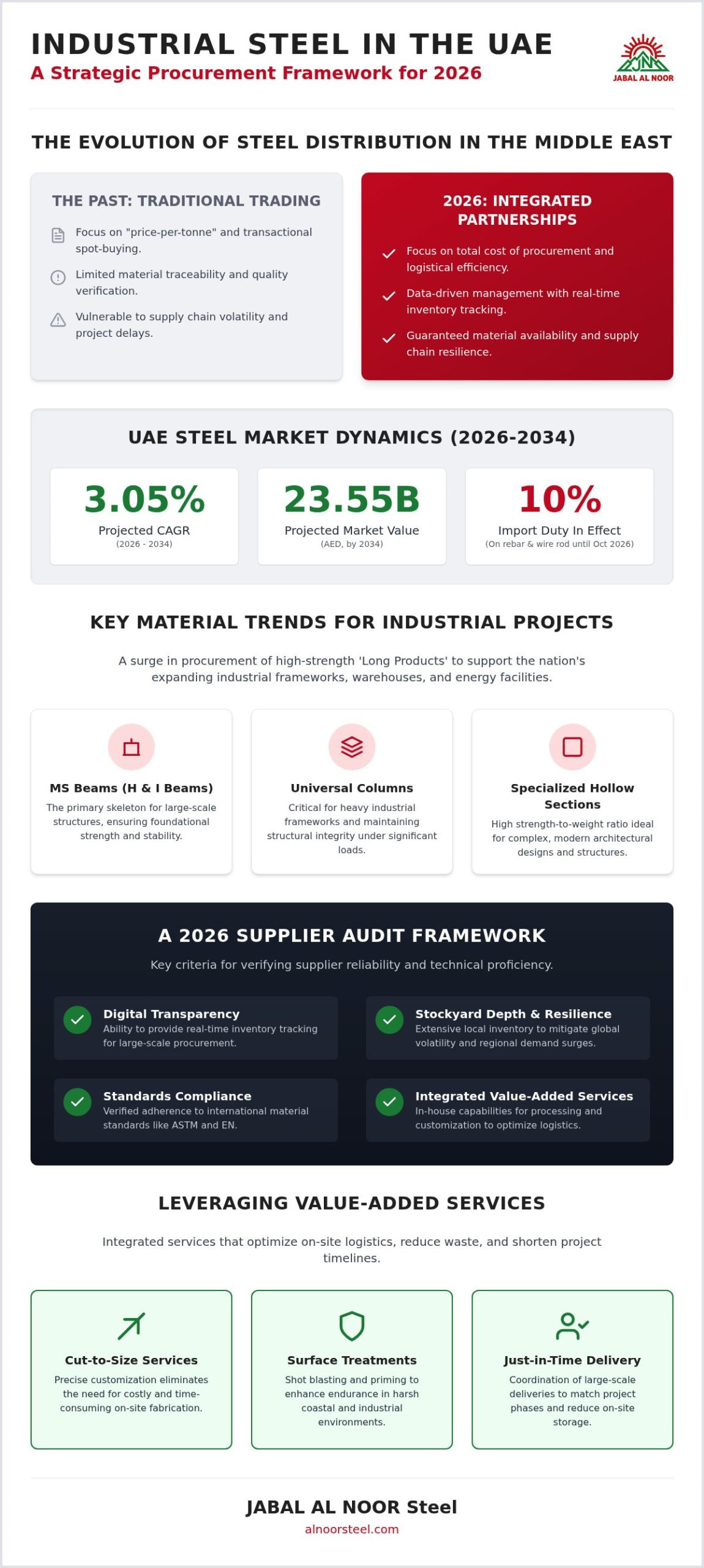
Industrial Steel Suppliers in the UAE: 2026 Market Trends & Sourcing Analysis

Industrial Steel Suppliers in the UAE: 2026 Market Trends & Sourcing Analysis

In 2026, the value of industrial steel suppliers UAE is no longer defined by inventory volume alone, but by the precision of their technical transparency and integrated processing capabilities. Procurement professionals and engineers across the Emirates recognize that supply chain volatility and the rigorous demands of material grade compliance in harsh environments are the most significant threats to large-scale project timelines. You likely feel the pressure of maintaining operational excellence while managing a 10% import duty on rebar and wire rod that remains in effect through October 2026.

This article provides the strategic framework required to evaluate partners that can serve as foundational pillars for national infrastructure. You will gain insights into identifying the shifts in the Middle East distribution landscape and selecting partners who offer verified material traceability. We will analyze how the transition toward modular construction and high-tech surface treatments is reshaping the industry. This guide explores how to optimize on-site logistics through pre-processed structural steel and secure a long-term supply partnership that prioritizes industrial stability and technical proficiency.

Key Takeaways

  • Analyze the transition from traditional steel trading to complex supply chain management necessitated by the scale of 2026 national infrastructure projects.
  • Identify the critical role of high-strength Long Products, such as MS beams and universal columns, in maintaining structural integrity for heavy industrial frameworks.
  • Evaluate industrial steel suppliers UAE based on their digital transparency and ability to provide real-time inventory tracking for large-scale procurement.
  • Establish a rigorous audit framework to verify supplier reliability, focusing on stockyard depth and adherence to international material standards like ASTM and EN.
  • Leverage integrated value-added services, including shot blasting and cut-to-size customization, to optimize on-site logistics and reduce project timelines.

The Evolution of Steel Distribution in the Middle East

The landscape of Middle East steel distribution is undergoing a fundamental transformation. In 2026, the region has transitioned from a market dominated by simple commodity trading to one defined by complex, data-driven supply chain management. This shift is primarily driven by the massive scale of national infrastructure projects and the UAE’s strategic position as a resilient logistics hub. Industrial steel suppliers UAE now serve as critical technical consultants rather than mere vendors. Procurement teams have recognized that traditional spot-buying is no longer sufficient to support the rigorous timelines of modern giga-projects. Consequently, there’s a decisive move toward long-term stockist partnerships that offer guaranteed material availability and fixed quality benchmarks.

To better understand the operational scale and procurement process within the regional market, watch this helpful video:

Market Dynamics and Supply Chain Resilience

The UAE steel market is projected to grow at a CAGR of 3.05% between 2026 and 2034, reaching a valuation of approximately AED 23.55 billion. Managing this growth requires mitigating global volatility through localized, high-volume inventory buffers. National suppliers are currently navigating a 10% import duty on rebar and wire rod, effective until October 12, 2026, which reinforces the need for domestic stock depth. Supply chain resilience in 2026 steel procurement is defined as the strategic capacity of a supplier to maintain material flow and price stability despite fluctuating global trade policies and regional demand surges. Professional procurement officers now prioritize partners who hold extensive stocks of universal beams and columns to ensure energy projects remain on schedule.

The Move Toward Integrated Logistical Partnerships

Engineering firms are increasingly abandoning the “price-per-tonne” mindset in favor of analyzing the total cost of procurement. This comprehensive approach accounts for logistical efficiency, material traceability, and the reduction of on-site waste. Integrated partnerships provide a synergy between raw material supply and specialized services that traditional traders cannot match. Established industrial steel suppliers UAE provide structural stability for engineering firms by offering:

  • Customization: Precise cut-to-size services that eliminate the need for on-site fabrication.
  • Surface Treatments: Shot blasting and priming that enhance the endurance of structural steel in harsh coastal environments.
  • Just-in-Time Delivery: Coordination of large-scale deliveries to match project phases, reducing the need for extensive on-site storage.

By shifting from transactional interactions to these integrated models, contractors can leverage the technical proficiency of their suppliers to optimize structural frameworks and ensure compliance with international grades like ASTM A36 and EN 10025.

The 2026 project landscape in the UAE demands materials that prioritize structural integrity and long-term endurance. Leading industrial steel suppliers UAE are reporting a significant surge in the procurement of high-strength ‘Long Products’ to support the nation’s expanding industrial framework. There’s a critical demand for MS beams, specifically H beams, I beams, and universal columns, which form the primary skeleton of large-scale warehouses and energy facilities. This shift aligns with a broader 2026 Market Trends & Sourcing Analysis that highlights how protectionism and regional demand are influencing material selection. Modern architectural designs also increasingly incorporate specialized hollow sections, which provide a high strength-to-weight ratio for complex geometric structures while maintaining the durability required for the Middle East climate.

Structural Steel Grades and International Standards

Compliance with international standards isn’t optional for national infrastructure projects; it’s the foundation of safety and insurance eligibility. Engineering specifications in 2026 increasingly mandate strict adherence to Structural Steel Quality Standards UAE, with a heavy focus on ASTM A36 and EN 10025. While S235JR remains a staple for general construction, many high-rise and industrial frameworks now require S355JR due to its superior yield strength and load-bearing capacity. Choosing the correct grade ensures that the structural framework can withstand the unique environmental pressures of the region, from thermal expansion to heavy industrial loads. It’s essential to partner with industrial steel suppliers UAE who provide full material traceability and mill test certificates for every batch delivered to the site.

Corrosion Resistance and Surface Durability

The UAE’s high humidity and saline environments require specialized protective measures to prevent premature structural failure. GI and PPGI sheets play a vital role in protecting industrial assets by providing a sacrificial zinc layer or a robust pre-painted coating. For marine and oil & gas infrastructure, the use of stainless steel 316 has become the standard for components exposed to corrosive elements. Procurement teams should consult the GI and PPGI Steel Sheets UAE Guide to understand how different coating thicknesses affect the lifespan of their cladding and roofing systems. Integrating these durable materials early in the design phase reduces long-term maintenance costs and extends the operational life of the facility. Professional contractors can review the latest inventory of structural components to ensure their projects meet these rigorous 2026 benchmarks for endurance and quality.

Technological Integration in Industrial Steel Supply

The industrial steel supply chain in the UAE is no longer just about physical stock; it’s about the data that travels with it. In 2026, leading industrial steel suppliers UAE have adopted comprehensive digital ecosystems to provide real-time inventory tracking and procurement transparency. This digital transformation allows procurement officers to view live stock levels across multiple stockyards, ensuring that massive infrastructure projects never face unexpected shortages. Automated warehouse management systems have become the standard for reducing lead times, as they optimize the picking and loading process for heavy structural components. These systems facilitate better material traceability by digitally tagging each batch at the mill and tracking its movement through the supply chain until it reaches the project site.

Inventory Transparency and Lead Time Optimization

Data-driven stock management is essential for reducing project delays that can cost contractors thousands of dirhams daily. By utilizing integrated digital platforms, suppliers provide immediate access to digital Mill Test Certificates (MTCs). This digital availability accelerates the engineering approval process by eliminating the wait for physical documentation. Procurement teams can now verify grade compliance for ASTM A36 or EN 10025 materials instantly. Real-time inventory visibility prevents on-site downtime by allowing project managers to synchronize their procurement schedules with actual stock availability rather than estimated lead times. This level of precision is particularly vital when sourcing specialized items like universal beams or columns that require specific surface treatments before delivery.

Sustainability and Regional Compliance

The UAE industrial sector is witnessing a significant shift toward sustainable sourcing as 2026 environmental regulations become more stringent. Regional producers are increasingly focusing on “Green Steel” production, utilizing Electric Arc Furnaces and cleaner energy sources to reduce carbon emissions. National suppliers now play a pivotal role in verifying the carbon footprint of structural materials. They provide the necessary documentation for projects seeking LEED or Estidama certifications, ensuring every component meets regional environmental benchmarks. When Evaluating Steel Manufacturers in UAE, it’s crucial to assess their commitment to these green standards alongside their technical capabilities. This focus on sustainability ensures that the materials used in national infrastructure contribute to the UAE’s long-term environmental goals while maintaining the high standards of industrial stability required for heavy engineering.

Industrial Steel Suppliers in the UAE: 2026 Market Trends & Sourcing Analysis

Evaluating Industrial Steel Suppliers: A 2026 Audit Framework

A professional audit of industrial steel suppliers UAE begins with a rigorous assessment of their physical infrastructure and stockholding capacity. In 2026, the reliability of a distribution partner is measured by their ability to maintain operational continuity despite global supply chain fluctuations. Selecting a partner requires a shift from transactional vetting to a comprehensive framework that prioritizes material variety and strict adherence to international quality benchmarks. Trustworthy partners must demonstrate consistent compliance with JIS, ASTM, and EN standards through verifiable documentation. A supplier’s logistical reach is a primary indicator of their national coverage capability; a dedicated delivery fleet ensures that heavy MS beams and channels are transported under strict safety protocols, reducing the risk of material damage during transit.

Inventory Depth vs. Sourcing Agility

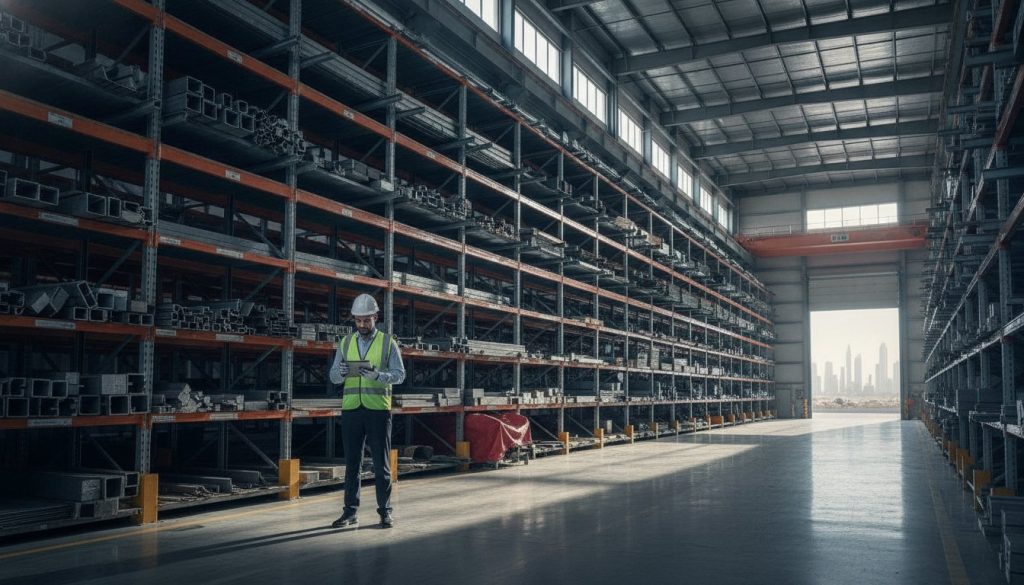
Physical stock-on-hand is vastly superior to sourcing through trading networks for high-stakes projects. When a project requires immediate access to specialized components, waiting for a trader to locate stock introduces unacceptable risk and potential project delays. Procurement teams should evaluate a supplier’s range of hollow sections and industrial pipes from a single source to minimize logistical complexity and ensure material consistency. It’s vital to verify that the supplier maintains high-volume inventory buffers to mitigate the impact of market volatility. For a detailed technical breakdown of available structural profiles, refer to the Hollow Section Steel Suppliers in UAE Guide.

Operational Excellence and Technical Support

A supplier’s value is deeply rooted in their ability to provide rigorous technical documentation and engineering support. This includes the immediate provision of Mill Test Certificates and expert guidance on material grade selection for specific industrial environments. When comparing industrial steel suppliers UAE, look for an established history; for instance, a supplier operational since 2010 offers a proven track record of industrial stability and regional expertise. This seasoned perspective is essential for understanding the unique pressures of large-scale infrastructure projects. For more on selecting a partner for national infrastructure, consult the Steel Suppliers in UAE Strategic Guide. You can also view our inventory of structural components to assess our current stock levels and processing capabilities.

Strategic Partnerships: The JABAL AL NOOR Steel Advantage

JABAL AL NOOR Steel has functioned as a cornerstone of the regional industrial landscape since its inception in 2010. While the broader market has shifted toward complex distribution models, the practical application of these trends is best realized through a partner that understands the high-stakes nature of energy and infrastructure projects. As one of the most dependable industrial steel suppliers UAE, the brand provides the industrial stability required for long-term collaborations. This authoritative expertise ensures that every project component meets the rigorous quality benchmarks established for the 2026 national development cycle, prioritizing precision and ethical conduct over flashy innovation.

The logistical advantage of maintaining an integrated inventory of both ‘Long Products’ and ‘Flat Products’ is a critical differentiator for modern procurement. By providing a single source for MS beams, channels, and plates, JABAL AL NOOR Steel simplifies the supply chain for complex structural frameworks. This consolidated approach reduces the administrative burden on procurement teams and ensures that all structural steel follows a unified traceability protocol. National engineering firms benefit from this streamlined supply chain, which allows for more predictable planning and reduces the risk of material discrepancies during the construction phase.

Value-Added Services: Cut-to-Size and Surface Treatments

Moving beyond simple distribution, JABAL AL NOOR Steel operates high-tech processing facilities that transform raw materials into precision-engineered components. Receiving MS beams and channels that are already shot-blasted, primed, and precision-cut to length reduces on-site labor requirements and significantly lowers the volume of material waste. These specialized industrial processes are essential for maintaining the endurance of steel in the UAE’s demanding environment, where humidity and salinity can compromise unprotected assets. For a technical overview of these capabilities, procurement teams can consult the Cut-to-Size Steel Service in the UAE guide.

Bulk Supply for National Infrastructure and PEB

Managing the high-volume material demands of Pre-Engineered Buildings (PEB) requires a partner with significant stockyard depth and logistical agility. JABAL AL NOOR Steel specializes in these large-scale contracts, providing the structural steel necessary for massive industrial warehouses and regional energy hubs. By functioning as a foundational pillar for these projects, the brand ensures that material availability never becomes a bottleneck for national progress. Engineering teams managing complex, high-volume contracts can benefit from reviewing the bulk steel supply 2026 industrial procurement guide for strategic frameworks on mitigating material non-compliance risks and optimizing delivery schedules. Detailed strategies for managing these high-volume requirements are explored in Strategic Procurement: PEB Steel Suppliers in 2026. Professionals can further evaluate specific material availability by visiting the inventory of structural components.

Securing Structural Integrity for the 2026 Industrial Horizon

The integration of sophisticated supply chains and digital transparency has become a non-negotiable standard for the UAE’s national infrastructure. As 2026 projects scale, success relies on moving beyond simple transactions toward partnerships that prioritize technical proficiency and material traceability. Identifying the right industrial steel suppliers UAE involves auditing for stockyard depth and the capacity to deliver international grades like ASTM A36 and EN 10025. This rigorous selection process ensures that structural frameworks are built for endurance and remain compliant with the region’s evolving regulatory landscape.

Since 2010, JABAL AL NOOR Steel has served as a foundational pillar for regional engineering projects by providing industrial stability and unwavering quality. Our integrated facilities offer specialized cut-to-size customization and surface treatments that directly optimize on-site logistics and reduce material waste. We remain committed to supporting the nation’s most ambitious developments through precision and operational excellence. Explore our comprehensive structural steel inventory and shop online to secure the materials required for your next large-scale project. We look forward to building the future of the Emirates together.

Frequently Asked Questions

What are the primary trends in UAE steel distribution for 2026?

The 2026 market is defined by a significant shift toward “Green Steel” production and the adoption of modular construction methods. Producers are increasingly utilizing Electric Arc Furnaces to reduce carbon emissions in alignment with national sustainability goals. Additionally, procurement teams must navigate a 10% import duty on rebar and wire rod imports, which remains in effect through October 12, 2026. This regulatory environment prioritizes suppliers who maintain robust domestic inventory buffers to ensure price stability.

How do I identify a reliable industrial steel supplier in the Middle East?

A reliable partner is identified by their physical stockholding capacity and a proven track record of industrial stability, such as operations established since 2010. Leading industrial steel suppliers UAE must provide full material traceability and immediate access to Mill Test Certificates. You should also evaluate their logistical infrastructure; a dedicated delivery fleet and integrated processing facilities for surface treatments are essential indicators of a supplier’s capability to support large-scale infrastructure projects.

What is the difference between a steel trader and a structural steel stockist?

A steel trader typically operates as a middleman without maintaining physical inventory, which can lead to significant delays during supply chain disruptions. In contrast, a structural steel stockist maintains high-volume inventory buffers of MS beams, channels, and plates in their own stockyards. Stockists provide immediate material availability and integrated services like cut-to-size customization. This physical presence is critical for mitigating volatility and ensuring that national construction timelines remain on schedule.

Which international steel grades are essential for UAE infrastructure projects?

National infrastructure projects primarily mandate compliance with ASTM A36 and EN 10025 standards to ensure structural safety. Grades like S235JR are standard for general construction, while S355JR is preferred for high-load industrial frameworks due to its superior yield strength. For marine or oil and gas applications, stainless steel 316 is the industry benchmark for corrosion resistance. Verifying these grades through official documentation is a non-negotiable requirement for project insurance and regulatory approval.

Do industrial steel suppliers in the UAE provide cut-to-size customization?

Yes, established industrial steel suppliers UAE offer integrated value-added services including precision cut-to-size customization. This industrial processing allows MS beams and hollow sections to arrive at the project site ready for immediate installation. By utilizing these services, engineering firms can significantly reduce on-site labor costs and minimize material waste. It’s a strategic approach that streamlines the fabrication process and ensures that all components meet exact engineering specifications before delivery.

How does digitalization affect the procurement of structural steel in 2026?

Digitalization enhances procurement through real-time inventory tracking and increased transparency across the supply chain. Procurement officers can now access live data on stock levels for universal beams and columns, preventing unexpected shortages. Digital platforms also facilitate the rapid transfer of technical documentation and Mill Test Certificates, which accelerates the engineering approval process. This technological integration reduces administrative overhead and allows for more precise synchronization between material delivery and project phases.

What role does surface treatment play in industrial steel longevity?

Surface treatments are critical for protecting structural steel against the UAE’s high humidity and saline coastal environments. Processes such as shot blasting and priming remove contaminants and provide a protective barrier that prevents premature corrosion. These treatments extend the operational lifespan of industrial assets and reduce long-term maintenance expenditures. Professional application of these coatings ensures that the steel maintains its structural integrity and aesthetic requirements over decades of heavy industrial use.

Why is local inventory depth critical for national construction timelines?

Extensive local inventory depth serves as a vital buffer against global shipping delays and fluctuating international trade policies. Having immediate access to a wide range of long and flat products ensures that contractors can maintain a steady workflow without waiting for overseas shipments. Local stockholding allows for just-in-time delivery, which is essential for managing congested project sites where storage space is limited. It provides the industrial stability required for the nation’s giga-projects.

Strategic Procurement: PEB Steel Suppliers in 2026

Strategic Procurement: PEB Steel Suppliers in 2026

With structural steel prices rising by 11.9% in 2025 and continuing their ascent through the third quarter of 2026, the margin for procurement error has effectively vanished. For project managers and engineers, the challenge isn’t just about managing costs; it’s about ensuring that every MS beam and hollow section meets the strict ASTM and EN standards required for industrial safety. You likely recognize that inconsistent material quality or a simple delay in receiving customized lengths can derail an entire construction timeline. Finding a reliable steel supplier for PEB structures has become a strategic necessity to mitigate these structural risks and logistical bottlenecks.

This article provides the framework you need to master technical requirements and procurement strategies for sourcing high-grade structural steel. You’ll learn how to secure a steady supply of certified materials while optimizing on-site assembly through the use of pre-processed, cut-to-size components. We’ll also explore methods for reducing overall project costs through strategic volume procurement, helping you maintain operational excellence in a market defined by measured volatility and constrained supply.

Key Takeaways

  • Understand why material traceability and strict adherence to international ASTM and EN standards serve as the primary safeguards against structural failure in industrial steel projects.
  • Identify the critical roles of MS beams, channels, and hollow sections in forming both the primary rigid frames and secondary structural members of a durable building.
  • Evaluate a steel supplier for PEB structures based on their inventory of high-strength grades, specifically looking for ASTM A572 Grade 50 and S355JR for demanding applications.
  • Discover how value-added processing, such as cut-to-size customization and shot blasting, improves logistical efficiency and provides essential long-term corrosion resistance.
  • Develop a strategic procurement framework for partnering with national stockists that offer a comprehensive range of long and flat products to support large-scale infrastructure.

The Critical Role of a Steel Supplier for PEB Structures

The efficiency of a pre-engineered building depends entirely on the precision and quality of its constituent parts. In the current industrial climate, where structural steel prices reached $2,660.55 per ton in July 2026 after rising 11.9% in 2025, every procurement decision carries significant financial and safety implications. A steel supplier for PEB structures functions as the logistical backbone of rapid industrial construction, ensuring that every structural member arrives on-site with the precision required for immediate assembly. This role has evolved from a simple material provider to a critical link in the engineering chain. Material traceability now serves as the primary safeguard against structural failure. It provides a documented history of chemical composition and mechanical properties that ensures every MS beam and hollow section meets the rigorous benchmarks set by international regulatory bodies.

Fundamental Advantages of Steel-Based PEB Systems

Steel remains the preferred medium for industrial infrastructure due to its exceptional strength-to-weight ratio. This characteristic allows for clear-span designs that maximize usable floor space without the need for intrusive interior columns. Unlike traditional reinforced concrete structures, steel-based systems offer a speed of execution that significantly reduces project timelines. Components are manufactured off-site and delivered ready for installation, which minimizes on-site labor requirements and waste. Additionally, the inherent recyclability of structural steel aligns with the growing demand for sustainable construction practices in large-scale energy and infrastructure projects.

The Supplier as a Strategic Engineering Partner

In 2026, the relationship between a contractor and their steel supplier for PEB structures has shifted toward a technical partnership. Modern suppliers provide material consultancy that goes beyond typical price lists, helping clients select the optimal steel grades for specific environmental loads and structural requirements. Maintaining consistency across bulk orders is vital; even minor deviations in mechanical properties can compromise the integrity of a rigid frame. By managing localized national inventory, a dependable supplier mitigates the risks associated with global supply chain disruptions and seasonal demand surges. You can browse a comprehensive range of certified materials in the product inventory to ensure your project remains on schedule. This stability allows project managers to plan with confidence, knowing their supply of MS channels and universal beams is secured against the measured volatility of the current market.

Essential Structural Steel Components for PEB Frameworks

A sophisticated PEB system isn’t merely a collection of parts; it’s a precisely engineered assembly where every component must perform under specific load conditions. Selecting a reliable steel supplier for PEB structures ensures that these components meet the exacting tolerances required for rapid on-site bolting. The framework is generally divided into primary frames, secondary members, and bracing systems, each requiring specific long products to maintain the building’s structural equilibrium. Without high-grade materials, the synergy between design and execution is lost, leading to costly modifications during the construction phase.

Beams and Columns: The PEB Backbone

Primary framing members consist of heavy-duty MS beams that form the rigid rafters and columns. Universal Beams (UB) and IPE sections are frequently specified for their optimized depth-to-weight ratios, providing the necessary stiffness for wide-span industrial sheds. HEB and Universal Columns are utilized where axial loads are dominant, such as in multi-story mezzanines or heavy crane runway supports. As an established structural steel supplier UAE, we maintain a robust inventory of these profiles to prevent project delays. Dimensional accuracy in these hot-rolled sections is non-negotiable. Even a slight deviation in flange width or web thickness can lead to misalignment during the assembly of the primary rigid frame.

Hollow Sections and Secondary Members

Secondary structural members provide the necessary lateral support and the surface area required for cladding attachment. MS channels and cold-formed sections are the industry standard for purlins and girts, while square and rectangular hollow sections (SHS/RHS) are preferred for architectural bracing and structural reinforcement. These components must adhere to recognized steel grades and standards to ensure they can withstand wind loads and seismic forces without compromising the primary frame. For projects in corrosive coastal environments, specifying galvanized (GI) or stainless steel components for secondary framing provides an essential layer of protection against oxidation. You can review our full range of structural steel products to identify the specific MS bars and angles required for your building’s stability reinforcement. Using high-grade MS angles for cross-bracing ensures the structure remains plumb and square under dynamic industrial loads.

Evaluating Steel Grades and Standards for PEB Integrity

Metallurgical precision is the foundation of structural safety in modern heavy industry. In the context of pre-engineered construction, selecting the correct material grade isn’t just about meeting a specification; it’s about ensuring the building can handle the environmental and mechanical loads of its specific location. ASTM A36 and S235JR remain the industry workhorses for standard rigid frames. These grades offer excellent ductility and weldability, which are essential for the rapid assembly of pre-engineered components. However, the carbon content in these steels must be strictly monitored. Excessive carbon can lead to brittleness and heat-affected zone cracking during the welding process, which compromises the integrity of the primary framing members.

ASTM vs EN Standards: A Procurement Comparison

Choosing between American and European standards often depends on regional building codes and the original engineering design specifications. While ASTM A36 is common, many large-scale infrastructure projects now require European S235JR or S355JR due to their specific yield strength benchmarks and impact resistance. You should consult a structural steel quality standards UAE reference guide to determine which standard aligns with your project’s eligibility. For high-load environments or structures with wide clear spans, specifying high-strength grades like ASTM A572 Grade 50 or S355JR becomes necessary. These materials allow for thinner sections without sacrificing load-bearing capacity, which reduces the total weight of the structure and lowers logistical costs. The Metal Building Manufacturers Association (MBMA) provides extensive research on how these high-strength steels improve building performance and long-term durability.

Certification and Quality Assurance Protocols

A reputable steel supplier for PEB structures must provide comprehensive documentation to verify that every delivery meets the required technical specifications. Mill Test Certificates (MTC) are the non-negotiable standard for quality assurance in the 2026 industrial landscape. These certificates provide a detailed breakdown of chemical composition and mechanical test results, ensuring that the MS beams and channels you receive are exactly what was ordered. Beyond the mill’s own testing, third-party inspection protocols for long products add an extra layer of security. This level of material traceability, from the initial melt at the mill to the final delivery at the PEB site, is what separates a foundational industrial partner from a mere trader. It ensures that every component, whether it follows JIS or EN 10025 standards, is fit for its intended purpose in the building’s framework.

Value-Added Processing: Customization for PEB Efficiency

The transition from raw material to a structural assembly requires more than just transport; it demands precision processing that aligns with the building’s engineering blueprints. Partnering with a specialized steel supplier for PEB structures allows contractors to receive materials that are already optimized for immediate erection. This approach eliminates the need for extensive on-site fabrication, which is often prone to errors and environmental delays. By delivering ready-to-assemble components, suppliers act as an extension of the project’s engineering team, ensuring that every MS beam and hollow section fits perfectly within the intended framework.

Precision Cut-to-Size Services

On-site labor costs and material waste are two of the most significant drains on an industrial project budget. Utilizing a cut to size steel service UAE ensures that structural members are delivered to exact millimeter tolerances. This precision is vital for the large spans typical of pre-engineered buildings, where even a minor measurement error can lead to structural misalignment. Customizing beam lengths at the warehouse level also minimizes off-cut waste. This is a critical advantage in 2026, as structural steel prices remain high. Precision engineering of steel profiles ensures that every kilogram of purchased material contributes directly to the building’s integrity.

Surface Treatments and Protection

Long-term durability in heavy industry depends heavily on initial surface preparation. Shot blasting to SA 2.5 standards is the recognized benchmark for removing mill scale and rust, providing a clean profile for optimal coating adhesion. Applying industrial primers immediately after blasting protects the steel from oxidation during transport and the often lengthy erection phase. While galvanized finishes offer superior protection in highly corrosive environments, primed steel remains the standard for most PEB frameworks due to its balance of cost-effectiveness and durability. These treatments ensure that the foundational pillars of your project remain resilient against the elements from day one.

Inventory Management for Large Contracts

Managing the supply chain for multi-phase industrial projects requires a methodical approach to logistics. A reliable steel supplier for PEB structures maintains a vast national inventory of long and flat products, allowing for just-in-time delivery strategies that keep the site clear of unnecessary clutter. This steady flow of materials prevents bottlenecks and ensures that secondary members arrive exactly when the primary rigid frames are secured. For contractors managing high-volume orders across multiple project phases, a well-structured bulk steel supply strategy is essential to maintaining cost control and schedule adherence. Warehousing solutions for bulk orders provide an additional layer of security against market fluctuations and seasonal demand surges. You can explore our full range of customizable steel products to streamline your next industrial project and ensure consistent material availability throughout every construction phase.

Strategic Sourcing: Partnering with a National Steel Stockist

The success of an industrial construction project depends on the stability of its supply chain. In a market where structural steel prices reached $2,660.55 per ton in July 2026, choosing the right partner is a critical financial decision. A steel supplier for PEB structures must offer more than just material; they must provide a foundation of reliability that supports the entire project lifecycle. This requires a methodical approach to evaluating steel manufacturers in UAE, focusing on their ability to maintain consistent stock levels of MS beams, channels, and hollow sections. A diversified product range, extending from primary structural members to specialized stainless steel components, ensures that every technical requirement is met under a single procurement umbrella.

Assessing Supplier Capability and Reach

Operational stability is the hallmark of a seasoned industry veteran. When you’re managing large-scale infrastructure or energy projects, you don’t just need a vendor; you need a partner with the financial and logistical capacity to handle bulk material orders over several months. Technical support is equally vital. A knowledgeable supplier helps you navigate complex material specifications, ensuring that the grades you receive are precisely suited for the building’s load-bearing requirements. Leveraging national logistics allows for seamless delivery to industrial zones, preventing the bottlenecks that often occur when relying on fragmented supply chains. Jabal Al Noor Steel serves as this foundational pillar, offering an extensive inventory and the technical proficiency required to support the most demanding industrial applications.

The Future of Steel Procurement for PEBs

The industrial landscape of 2026 is defined by a shift toward high-performance materials and data-driven logistics. Modern steel suppliers in UAE are increasingly integrating digital inventory tracking with construction timelines to facilitate just-in-time delivery. This synchronization minimizes on-site storage needs and optimizes cash flow for contractors. We’re also seeing a move toward higher-grade alloys and more rigorous sustainability goals, as the industry seeks to reduce the carbon footprint of structural components. Understanding the broader shifts in the regional distribution landscape is equally important; a detailed analysis of industrial steel suppliers UAE market trends and sourcing strategies reveals how supply chain volatility and material grade compliance are reshaping procurement decisions across the Emirates. By prioritizing material traceability and operational excellence, a dedicated steel supplier for PEB structures helps you navigate these evolving standards with confidence. You can review our full range of long and flat products in the product inventory to secure the materials necessary for your next project. This strategic alignment ensures that your procurement process remains efficient, transparent, and geared toward long-term value.

Securing the Future of Industrial Infrastructure

The industrial landscape of 2026 demands a level of precision and material traceability that only a seasoned partner can provide. By mastering technical specifications and prioritizing value-added processing like cut-to-size customization, you ensure your project remains resilient against market volatility. Selecting the right steel supplier for PEB structures isn’t merely a transactional choice; it’s a commitment to the long-term durability and safety of your infrastructure. Ensuring that every MS beam and channel meets rigorous ASTM or EN standards is the only way to safeguard your investment in an era of constrained supply and high structural requirements.

Jabal Al Noor Steel has been a foundational pillar of industrial reliability since 2010. We maintain a comprehensive stock of MS beams, channels, and hollow sections, all tailored to meet the exacting requirements of modern engineering. Our national delivery capability ensures that your large-scale infrastructure projects receive high-grade materials exactly when they’re needed, optimizing your assembly timelines. Explore our full inventory of structural steel for PEB projects to secure the high-performance components your next build requires. We look forward to supporting your operational excellence with the technical proficiency and steady partnership your projects deserve.

Frequently Asked Questions

What is the best steel grade for PEB structures in the UAE?

ASTM A36 and S235JR are the standard grades for rigid frames due to their excellent ductility and weldability. For projects requiring higher yield strength or wider spans, specifying ASTM A572 Grade 50 or S355JR is necessary. These materials allow for lighter sections without compromising load-bearing capacity. Choosing the correct grade through a reliable steel supplier for PEB structures ensures the building meets national safety codes and environmental requirements.

How does a steel supplier support the PEB design phase?

A supplier acts as a technical consultant by aligning material availability with engineering blueprints. They provide critical data on the dimensional accuracy of MS beams and the mechanical properties of various alloys. This partnership helps engineers select profiles that are readily available in national inventory, preventing costly redesigns later in the project. Early collaboration ensures that the structural steel for construction is optimized for both performance and procurement efficiency.

What is the difference between hot-rolled and cold-formed steel in PEB?

Hot-rolled steel, including universal beams and columns, forms the primary load-bearing backbone of the building. These sections are produced at high temperatures to achieve high structural integrity. Cold-formed steel is typically used for secondary members such as purlins and girts. These sections are shaped at room temperature and offer a high strength-to-weight ratio, which is ideal for supporting cladding systems while minimizing the overall weight of the framework.

Why is shot blasting necessary for PEB structural components?

Shot blasting to SA 2.5 standards is essential for removing mill scale, rust, and contaminants from the steel surface. This process creates a clean, textured profile that ensures maximum adhesion for industrial primers and protective coatings. Without proper surface treatment, coatings are likely to fail, leading to premature corrosion and structural risks. This is particularly vital for industrial buildings exposed to harsh environmental conditions or chemical processes.

How can cut-to-size steel services reduce PEB construction costs?

Cut-to-size customization lowers expenses by reducing on-site labor and eliminating material off-cut waste. When a steel supplier for PEB structures delivers components to exact millimeter tolerances, the need for dangerous and time-consuming on-site welding or cutting is minimized. This precision engineering speeds up the erection process and ensures that every kilogram of purchased steel is utilized effectively, which is crucial given that structural steel prices remain high in 2026.

What certifications should I demand from my PEB steel supplier?

You should always demand Mill Test Certificates (MTC) that verify the chemical composition and mechanical properties of every delivery. These documents ensure compliance with international standards such as EN 10025, ASTM, or JIS. Additionally, look for suppliers who adhere to third-party inspection protocols. Traceability from the mill to the construction site is the primary safeguard against using substandard materials that could compromise the integrity of heavy industrial infrastructure.

Can stainless steel be used in PEB structures for coastal environments?

Stainless steel is an excellent choice for secondary components and fasteners in coastal or highly corrosive industrial zones. While primary rigid frames often use primed MS beams, stainless steel offers superior resistance to chloride-induced pitting and oxidation. Utilizing stainless steel for critical connection points or specialized tubing ensures the long-term endurance of the structure. It’s a strategic investment that reduces maintenance costs in environments where standard carbon steel would degrade rapidly.

What are the typical lead times for bulk structural steel delivery?

Typical lead times vary based on the scale of the order and current national inventory levels. National stockists with extensive warehouses can often fulfill orders for standard MS beams and channels within a few business days. However, bulk orders for specialized high-strength grades or large-scale infrastructure projects require longer lead times for processing. Planning procurement in the fourth quarter is a common strategy to secure materials before the spring construction surge. A comprehensive bulk steel supply procurement guide can help you anticipate these timelines and build a more resilient ordering schedule.

Cut-to-Size Steel Service in the UAE: A Comprehensive Procurement Reference

Cut-to-Size Steel Service in the UAE: A Comprehensive Procurement Reference

Every hour spent manually cutting steel sections on a construction site represents a direct failure in procurement efficiency that often erodes project margins. Manual cutting processes don’t just waste time; they compromise the structural integrity of the project’s timeline. In the high-stakes environment of UAE national infrastructure, where the structural steel fabrication market is projected to reach USD 3.16 billion by 2031, these inefficiencies are no longer acceptable. This guide will demonstrate how a professional cut to size steel service UAE transforms your supply chain by delivering project-ready components that meet rigorous ASTM and EN standards.

By shifting the burden of fabrication from the field to a controlled industrial environment, you secure a foundational advantage in both precision and timing. We’ll examine the technical advantages of precision customization, the logistical benefits of zero-waste procurement, and how integrated surface treatments like shot blasting create a seamless path from the warehouse to final installation. Understanding these logistical strategies is essential for any partner aiming to maintain operational excellence in the region’s expanding energy and construction sectors.

Key Takeaways

  • Understand how transitioning from bulk mill lengths to project-specific components reduces on-site labor costs and eliminates material wastage.
  • Compare technical methods such as mechanical sawing and flame cutting to determine the best approach for achieving high-tolerance results on structural sections.
  • Discover how a professional cut to size steel service UAE simplifies logistics by replacing standard 12-meter loads with nested, project-ready deliveries.
  • Learn to maintain rigorous compliance with international steel grades, including ASTM A36 and EN 10025, through documented material traceability.
  • Identify the operational advantages of combining precision cutting with surface treatments like shot blasting to receive ready-to-install steel components.

The Strategic Role of Cut-to-Size Steel in UAE Infrastructure

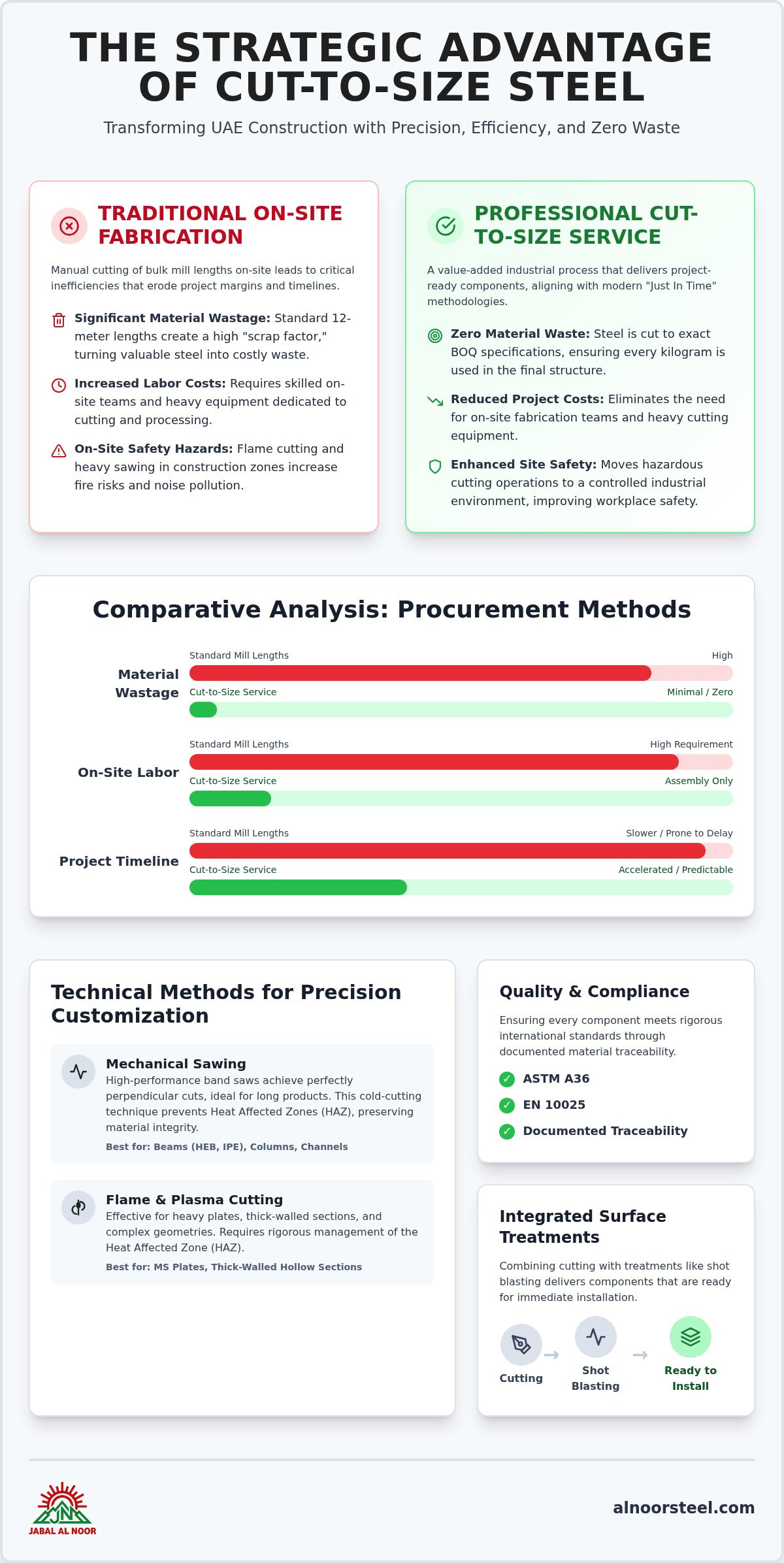
Cut-to-size steel isn’t just a basic cutting task; it’s a critical value-added industrial process. It involves tailoring structural sections like MS beams and channels to the exact dimensions required by an engineering drawing. Historically, UAE procurement relied on bulk mill lengths, which forced contractors to manage the logistical burden of on-site fabrication. Today, the industry has matured. Utilizing a professional cut to size steel service UAE allows project managers to align material delivery with modern “Just In Time” (JIT) methodologies. This evolution reduces the economic strain of maintaining on-site fabrication teams and heavy cutting equipment, allowing for a leaner operational model.

To better understand this industrial process, watch this helpful video:

Eliminating Material Wastage in Large-Scale Projects

Standard 12-meter mill lengths frequently create a significant “scrap factor” where offcuts become unusable waste. When procurement is based strictly on the Bill of Quantities (BOQ), precision cutting ensures that every kilogram of steel delivered has a purpose. This approach adheres to global Structural Steel Standards while providing clear environmental benefits. By optimizing material use at the source, projects reduce their overall carbon footprint and eliminate the logistical cost of disposing of industrial scrap. It’s a methodical way to ensure that project budgets are spent on permanent structures rather than discarded remnants.

Enhancing On-Site Safety and Efficiency

Safety remains a primary pillar of industrial excellence. Reducing the need for flame cutting or heavy mechanical sawing in restricted construction zones minimizes fire hazards and noise pollution. Pre-processed steel components arrive ready for immediate assembly, which significantly accelerates project timelines. This is particularly vital for modular industrial structures where standardized component lengths are mandatory for structural integrity. By outsourcing these technical tasks to a dependable partner, contractors can focus their on-site resources on assembly and quality control rather than raw material processing. It creates a more predictable workflow that mirrors the deliberate pace of the region’s largest infrastructure projects.

Technical Methods for Precision Steel Customization

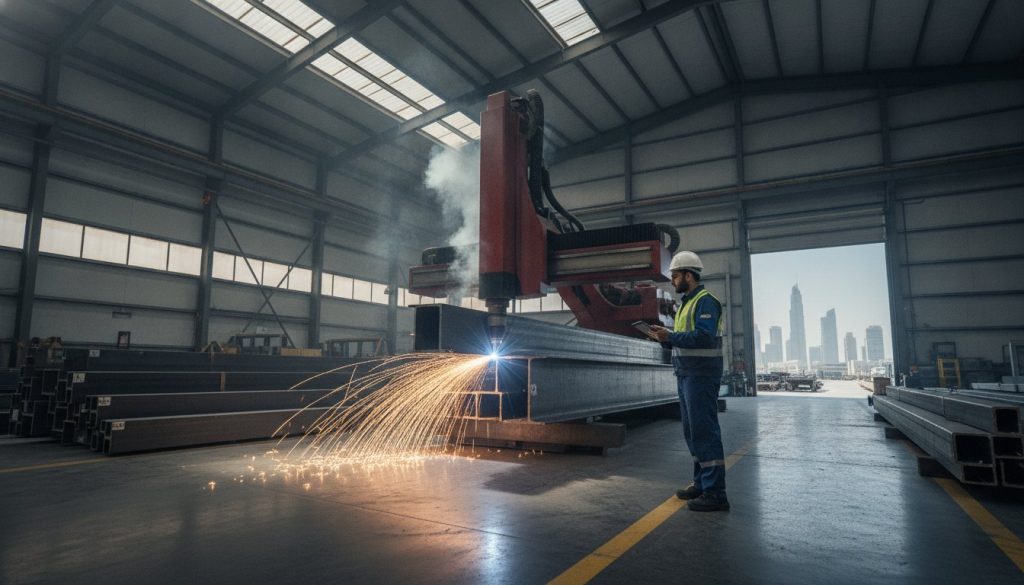
Achieving the exacting tolerances required for modern infrastructure demands a diverse suite of technical processes. While some providers focus exclusively on thin-gauge sheet metal, a comprehensive cut to size steel service UAE must possess the capability to process heavy structural sections and thick-walled plates. Mechanical sawing stands as the primary method for long products, utilizing high-performance band saws to achieve perfectly perpendicular cuts. This cold-cutting technique is essential for universal beams and columns because it prevents the development of a Heat Affected Zone (HAZ), which can otherwise alter the material’s mechanical properties and compromise structural integrity.

For processing heavy MS plates and thick-walled hollow sections, thermal methods like flame and plasma cutting are utilized. These processes are highly effective for complex geometries but require rigorous HAZ management to ensure the steel remains compliant with project specifications. In contrast, shearing and slitting are prioritized for flat products, including GI and PPGI sheets, where speed and edge consistency are paramount. Each method is selected based on the material’s thickness and the specific engineering requirements of the component, ensuring that the final product meets the highest industrial standards.

Processing Long Products: Beams, Channels, and Angles

Structural sections such as HEB, IPE, and Universal Columns require specialized handling to prevent deformation during processing. When cutting these hot-rolled sections to exact engineering specs, internal stresses within the steel can sometimes cause bowing or twisting if not managed correctly. Our technical approach involves optimizing steel profiles for engineering projects by aligning the cutting sequence with the material’s grain and structural orientation. This ensures that every beam and channel maintains its dimensional stability throughout the fabrication process, providing a reliable foundation for any large-scale assembly.

Customizing Tubes and Hollow Sections

Tubes and pipes, whether ERW or seamless, present unique challenges due to their geometry. Precision cutting for these components often includes complex mitering for structural truss frameworks, where angles must be exact to allow for high-quality welding. Ensuring superior edge quality is non-negotiable; a clean, burr-free finish is essential for subsequent assembly and long-term durability in industrial environments. For those seeking reliable procurement solutions, you can explore our full range of structural steel sections ready for customization. This methodical attention to detail guarantees that every piece fits perfectly upon arrival at the project site, reducing the need for costly field adjustments.

Standard Mill Lengths vs. Cut-to-Size: A Comparative Analysis

The choice between standard mill lengths and processed sections is a fundamental procurement decision that dictates a project’s logistical efficiency. Standard 12-meter mill lengths require significant on-site storage space and complex handling equipment, which often leads to congestion in restricted urban construction zones. Conversely, utilizing a professional cut to size steel service UAE enables the delivery of nested, project-ready components. This shift transfers the accountability for dimensional precision from the contractor’s field team to the supplier’s controlled environment. By relying on supplier-certified precision, engineers can mitigate the risks of on-site errors that frequently lead to costly re-works and delays in the project’s critical path milestones. This methodical approach ensures that every delivered section is ready for immediate integration into the structure.

Procurement Decision Matrix for Structural Steel

Determining the optimal procurement route requires a thorough evaluation of the “Total Cost of Ownership” rather than just the initial price per ton. While mill lengths might appear cost-effective for high-volume, repetitive sections where on-site fabrication is streamlined, they often hide secondary costs. These include labor for manual cutting, equipment depreciation, and the management of industrial scrap. A switch to cut-to-size becomes essential for complex structural geometries where high-tolerance intersections are non-negotiable. To help manage these decisions, procurement teams should consider the following criteria:

  • Volume and Repetition: Use mill lengths for high-volume, uniform components if on-site facilities are already established.
  • Geometric Complexity: Prioritize customization for intricate frameworks to ensure perfect fitment.
  • Site Constraints: Choose project-ready delivery when site space for fabrication and scrap storage is limited.

Integration with Surface Treatments

Logistical efficiency is further enhanced when cutting is integrated with advanced surface preparation. Industry standards dictate that precision cutting should precede steel plate shot blasting to ensure that the entire component, including the freshly cut edges, receives uniform treatment. This sequence is vital for maintaining corrosion resistance across the entire section. Following the cutting process with priming steel surface treatments protects custom edges from atmospheric oxidation during transit and on-site storage. This integrated workflow delivers ready-to-install steel that meets the rigorous durability standards required for UAE national infrastructure. It’s a strategic way to ensure that the protective integrity of the steel is never compromised by subsequent on-site modifications.

Cut-to-Size Steel Service in the UAE: A Comprehensive Procurement Reference

Quality Standards and Compliance for Processed Steel

Maintaining material traceability is a non-negotiable pillar of industrial excellence. Every component processed through a professional cut to size steel service UAE must remain linked to its original mill certificate. This ensures that the chemical composition and mechanical properties of the steel are documented throughout the customization lifecycle. Adherence to international benchmarks like ASTM A36 and EN 10025-2 provides the necessary assurance for structural safety in national infrastructure projects. Precision isn’t merely a measurement; it’s a commitment to documented reliability that underpins the entire procurement chain.

Tolerance benchmarks serve as the definitive guide for industrial steel processing. While general manufacturing might rely on broader metrics, structural steel requires adherence to ISO 2768 for linear and angular dimensions. For thermal processing, the industry looks toward ISO 9013:2017 to define the quality of the cut surface and dimensional deviations. These standards ensure that when custom sections arrive at a project site, they integrate seamlessly with other prefabricated elements. Third-party inspections often provide an additional layer of verification, conducting unbiased audits of custom steel dimensions to satisfy the most stringent engineering requirements.

Material Grade Integrity Post-Processing

Thermal cutting processes, though highly efficient, require expert management to ensure that material properties aren’t compromised. It’s critical to monitor the heat input during the customization of S235JR or S355JR grades to prevent the formation of brittle zones. Our technical protocols include rigorous stamping and marking for custom-length identification, which allows for immediate verification of the material’s origin. For a comprehensive overview of these benchmarks, you can refer to our Structural Steel Quality Standards UAE. This methodical approach preserves the high standards of the cut to size steel service UAE from the initial mill delivery through to the final processed component.

Documentation and Certification for Contractors

In the UAE’s highly regulated construction and energy sectors, Mill Test Certificates (MTC) are the primary proof of material quality. Contractors don’t just need the steel; they need the data that proves its endurance and proficiency. We provide detailed dimensional reports for every customized structural component, ensuring that every piece meets the project’s specific BOQ requirements. This documentation is vital for compliance with national industrial regulations and facilitates smoother handovers during project audits. If your project demands high-precision materials that meet these rigorous criteria, you can procure certified structural steel sections through our established distribution network. This level of transparency builds the trust necessary for long-term industrial partnerships.

Optimizing Procurement with Jabal Al Noor Steel’s Customization

Jabal Al Noor Steel functions as a foundational partner for the UAE’s industrial landscape. We don’t just supply raw materials; we provide a comprehensive procurement solution that bridges the gap between mill production and specific on-site requirements. By maintaining an extensive inventory of structural steel, we ensure that the customization process begins immediately upon order. This synergy between stock availability and in-house processing capabilities allows us to streamline the supply chain for complex sectors like oil and gas, national infrastructure, and pre-engineered building (PEB) projects. Our goal is to deliver project-ready components that eliminate the traditional delays associated with secondary fabrication.

A Single-Source Solution for Long and Flat Products

We provide a centralized hub for all customization needs, processing MS Beams, Channels, and Angles under one roof to maintain strict quality control. This internal oversight extends to high-end engineering materials, including GI, PPGI, and Stainless Steel, where precision is critical for performance in corrosive environments. Our facilities are equipped for both precision sawing and thermal cutting, providing the flexibility needed for diverse project scopes. Engineers and procurement officers can access our full range of materials and processing options via the Jabal Al Noor Steel Shop. This single-source approach eliminates the logistical friction of managing multiple vendors, ensuring that every component arrives with consistent tolerances and documentation.

Nationwide Support for Industrial Projects

Our operational reach covers the entire UAE, providing coordinated deliveries that align with your project’s critical path. We understand that large-scale infrastructure requires more than just material; it requires a partner that values consistency and ethical conduct. Our team offers expert technical support to help you select the most efficient customization methods, ensuring that your choice of cut to size steel service UAE delivers maximum value. We prioritize long-term industrial partnerships, focusing on the endurance and proficiency of the materials we supply. This commitment to operational excellence means we don’t just deliver steel; we deliver the structural pillars that support the region’s most ambitious energy and construction goals. By integrating precision cutting with protective surface coatings, we provide a “ready-to-install” solution that meets the highest quality benchmarks of the modern industrial sector.

Securing Operational Excellence in UAE Steel Procurement

Mastering the transition from bulk mill lengths to project-ready components is a prerequisite for success in the region’s heavy industries. We’ve explored how a professional cut to size steel service UAE eliminates on-site labor inefficiencies and material wastage while maintaining strict adherence to international standards like ASTM A36. By integrating technical precision with protective surface treatments, you ensure that every structural section contributes to the long-term durability of your infrastructure.

Since 2010, Jabal Al Noor Steel has served as a dependable partner, providing structural steel expertise and ISO-compliant processing across the country. Our national UAE delivery network is designed to support the methodical pace of large-scale engineering, ensuring your supply chain remains resilient and transparent. It’s time to leverage these logistical advantages to optimize your next project milestones. Explore our full range of customizable steel products to discover how our established capabilities can enhance your procurement strategy. We’re ready to provide the stability and proficiency your projects require.

Frequently Asked Questions

What are the primary benefits of using cut-to-size steel for UAE construction projects?

The primary benefits include significant reductions in on-site labor costs and the elimination of material wastage from standard mill offcuts. Utilizing a professional cut to size steel service UAE allows for Just-In-Time procurement, which optimizes site storage and simplifies transport logistics. This approach ensures that every delivered section is ready for immediate assembly, accelerating project timelines and improving overall safety by reducing the need for field fabrication.

Which steel grades can be customized using your cut-to-size service?

We customize a wide range of industrial grades to meet international engineering standards. This includes structural carbon steel such as ASTM A36 and EN 10025 (S235JR and S355JR), as well as various grades of galvanized iron (GI) and stainless steel. Our processing capabilities ensure that the mechanical properties of these materials remain intact, providing the durability and structural integrity required for large-scale energy and infrastructure projects.

How does precision cutting affect the lead time for structural steel delivery?

Precision cutting slightly increases initial processing time but significantly reduces the overall project lead time by eliminating field fabrication. By receiving project-ready components, contractors avoid the delays associated with on-site cutting and error correction. This streamlined workflow allows for faster assembly on the critical path, ensuring that structural frameworks are completed according to the planned industrial schedule without the logistical friction of manual processing.

Can Jabal Al Noor Steel provide shot blasting and priming for cut-to-size sections?

Yes, we offer fully integrated surface treatments including shot blasting and priming for all cut-to-size sections. Performing these treatments after the cutting process ensures that the entire component, including the fresh edges, is protected against atmospheric corrosion. This synergy creates ready-to-install steel that meets the highest quality benchmarks, allowing materials to move directly from our national distribution network to final installation at the project site.

What tolerances can be expected from your mechanical sawing services?

Our mechanical sawing services adhere to rigorous industrial tolerance benchmarks, including ISO 2768. This method utilizes high-performance band saws to achieve high-tolerance perpendicular cuts on structural beams and columns. Cold-cutting techniques are prioritized because they prevent the formation of heat-affected zones, ensuring that the dimensional accuracy and structural properties of the steel remain consistent with the original engineering specifications and mill certificates.

Is it more cost-effective to buy mill lengths or customized steel sections?

Customized steel sections are generally more cost-effective when evaluating the Total Cost of Ownership. While mill lengths have a lower initial price per ton, they incur secondary costs such as manual labor, equipment depreciation, and scrap disposal. A cut to size steel service UAE reduces these overheads and ensures that procurement budgets are spent only on usable material. This efficiency is particularly valuable for complex geometries where on-site errors are costly.

How is material traceability maintained for customized steel components?

Material traceability is maintained through a disciplined documentation process that links every cut section to its original Mill Test Certificate (MTC). We utilize rigorous stamping and marking protocols to identify each custom-length component throughout the customization and delivery phases. This transparency ensures that engineers can verify the chemical composition and mechanical properties of the steel at any point, satisfying the strict audit requirements of UAE industrial regulations.

Do you provide cut-to-size services for hollow sections and pipes?

We provide comprehensive customization services for both hollow sections and pipes, including ERW and seamless varieties. Our technical team can perform precise linear cuts and complex mitering for structural truss components, ensuring that every piece is ready for subsequent welding. This specialized processing maintains the edge quality necessary for high-performance industrial applications, providing a reliable solution for frameworks that require specific geometric configurations and structural proficiency.

UAE Steel Stockist Checklist: 2026 Procurement Guide

UAE Steel Stockist Checklist: 2026 Procurement Guide

With the mandatory UAE Certificate of Conformity (ECAS) deadline for rebar arriving on November 1, 2026, a single oversight in material compliance can now stall a national infrastructure project or damage a firm’s standing under the country’s new compliance and rating systems. You likely understand that securing a reliable UAE steel stockist for contractors is no longer just about monitoring price fluctuations, such as the current AED 2,384 per ton for rebar delivered nationwide. It’s about mitigating the risk of delivery delays and ensuring every beam or hollow section meets rigorous ASTM or EN standards from the moment it arrives on site.

We recognize that managing bulk orders for specialized long and flat products requires a partner who functions as a foundational pillar of your supply chain. This 2026 procurement guide provides a comprehensive checklist to help you evaluate stockists based on inventory depth, technical compliance, and value-added services like cut-to-size customization. You’ll gain a clear framework to secure a dependable supply chain that reduces on-site labor and guarantees material integrity for the country’s most demanding industrial and energy projects.

Key Takeaways

  • Learn how to verify critical material certifications, including EN 10025 and ASTM A36, to ensure structural integrity and compliance with 2026 UAE regulatory benchmarks.
  • Identify the essential inventory requirements for MS beams and hollow sections necessary to maintain the momentum of large-scale national infrastructure projects.
  • Discover how a UAE steel stockist for contractors can enhance on-site efficiency through specialized cut-to-size processing and industrial surface treatments.
  • Understand the logistical evaluation criteria for fleet capacity and delivery reliability to mitigate the risk of supply chain disruptions on high-stakes sites.
  • Access a structured five-step audit checklist to systematically evaluate potential partners on technical precision, inventory depth, and logistical transparency.

Verifying Material Grades and International Compliance Standards

Procurement in the UAE’s heavy industrial sector demands a meticulous approach to material verification. Structural integrity is never an accident; it’s the result of strict adherence to international benchmarks that govern chemical composition and mechanical performance. As a prominent UAE steel stockist for contractors, JABAL AL NOOR Steel acts as a technical gatekeeper, ensuring that every ton of steel delivered to a site aligns with the engineering specifications required for high-stakes infrastructure.

Structural Steel Standards for National Projects

The backbone of UAE construction relies heavily on the EN 10025 standard. Grades such as S235JR and S355JR are essential for structural stability in both energy and civil engineering projects. S355JR, in particular, is favored for its higher yield strength, providing the necessary endurance for heavy-load applications in the region’s harsh climate. Local producers like Emirates Steel (Emsteel) have established rigorous quality controls that align with these European standards, setting a benchmark for the entire supply chain. Contractors must verify that the chemistry of the steel, specifically the carbon and manganese levels, falls within the permitted ranges to ensure weldability and toughness. Understanding the precise distinctions between sub-grades like JR, J0, and J2 is critical for correct specification; our detailed guide on EN 10025 steel grades UAE structural projects require in 2026 provides the technical framework needed to make these determinations with confidence.

Certification and Documentation Checklist

The Mill Test Certificate (MTC) is the primary document for verifying material authenticity. It serves as a birth certificate for the steel, linking the physical product to its metallurgical history. When evaluating a UAE steel stockist for contractors, you should insist on receiving Type 3.1 MTCs that match the heat numbers stamped on the material. For plate products, verifying ASTM A36 and A572 Grade 50 certifications is critical for ensuring the steel can withstand the tensile stresses of industrial fabrication. Engineers and procurement officers navigating the distinctions between EN 10025:2019 and ASTM A36/A36M:2021 will find our detailed breakdown of structural steel quality standards UAE authorities enforce in 2026 an essential technical reference. You can review our certified range of long and flat products to understand how these standards are maintained across a diverse inventory.

Beyond the MTC, a robust documentation trail includes:

  • Third-Party Inspection Reports: Essential for heavy industrial use where independent verification of mechanical properties is required.
  • JIS Compliance: Ensuring long products meet Japanese Industrial Standards for specific specialized applications.
  • Compliance with National Codes: Aligning material selection with the latest safety and engineering regulations issued by UAE municipalities.

Maintaining this documentation isn’t just a procedural hurdle. It’s a vital component of project audits and long-term structural liability management. By prioritizing certified material grades over lower-cost, unverified alternatives, contractors protect their reputation and the safety of the national infrastructure they build.

Assessing Inventory Depth for National Infrastructure Projects

Large-scale construction in the Emirates operates on razor-thin schedules where material availability dictates the pace of progress. According to the UAE Construction Market Report 2025-2029, the surge in mega-projects across the transportation and energy sectors has placed unprecedented pressure on local supply chains. A proficient UAE steel stockist for contractors must demonstrate more than just a list of offerings; they must exhibit deep inventory reserves that can absorb the shocks of sudden project expansions without compromising delivery timelines.

Comprehensive Long and Flat Product Range

A versatile stock profile is the hallmark of a reliable industrial partner. Contractors should verify that their supplier maintains a consistent stock of MS beams, including H-beams, I-beams, and Universal sections, alongside a robust selection of hollow sections in circular, square, and rectangular profiles. For specialized environments, such as coastal oil and gas facilities, the availability of corrosion-resistant stainless steel 316 and GI sheets is non-negotiable. Securing these materials from a single source reduces the administrative burden of managing multiple vendors and ensures a unified standard of quality across the structural framework.

Inventory Scalability for Bulk Contracts

Scalability is often the differentiator between a vendor and a strategic partner. With the UAE government extending the 10% import duty on rebar and wire rod until October 2026, the value of a stockist with significant local holdings cannot be overstated. An established UAE steel stockist for contractors leverages strong trading partnerships to maintain a steady flow of tubes, pipes, and heavy MS plates, even during periods of high market demand. You can evaluate the breadth of these offerings by reviewing our inventory of structural steel and flat products, ensuring your project remains insulated from global supply fluctuations.

National reach is equally critical. A stockist’s ability to coordinate deliveries across Dubai, Abu Dhabi, and the Northern Emirates from a centralized, high-capacity inventory hub ensures that logistical delays don’t ripple through your project phases. When auditing a potential supplier, prioritize those who can demonstrate a track record of handling bulk orders for national infrastructure, as this indicates the operational maturity required for 2026’s industrial landscape.

Evaluating Value-Added Processing and Customization Capabilities

Efficiency in modern construction isn’t solely dependent on the speed of on-site assembly; it begins with the precision of material preparation. While many vendors simply deliver raw materials, a specialized UAE steel stockist for contractors provides industrial processing that transforms raw beams and plates into project-ready components. This shift from simple delivery to value-added supply significantly reduces on-site labor costs and minimizes material waste, which is critical for maintaining profitability in high-stakes infrastructure projects.

Industrial Processing and Customization Services

Precise cut-to-size services for MS plates and sheets ensure that every component fits the engineering design without the need for extensive on-site modifications. This level of accuracy is paired with essential surface treatments, such as shot blasting and priming. In the harsh regional climate of the UAE, where high humidity and salinity can accelerate oxidation, industrial-grade priming acts as a vital protective barrier. These treatments must be executed according to rigorous quality benchmarks to ensure that the coating adheres correctly and provides long-term durability. Adhering to UAE steel compliance standards ensures that these processes don’t compromise the metallurgical integrity of the steel, maintaining full traceability from the mill to the final processed product.

Integrating Customization into Procurement

Successful procurement requires tight coordination between your engineering team and your supplier’s processing facility. Defining strict tolerances for structural steel profiles, such as H-beams and Universal columns, prevents misalignments during the assembly phase. A dependable UAE steel stockist for contractors understands these technical nuances and maintains the machinery necessary to deliver consistent results across bulk orders. By integrating these requirements early in the procurement cycle, you effectively collapse project timelines and eliminate the logistical bottleneck of secondary processing. For specialized requirements involving complex dimensions or specific industrial finishes, you can explore our customization services to see how we bridge the gap between raw inventory and site-ready steel.

Precision in customization also extends to the mechanical properties of the steel. Whether you’re sourcing tubes, pipes, or heavy MS channels, ensuring that the processed material retains its structural characteristics is paramount. This level of technical proficiency ensures that the steel isn’t just the right size, but also the right strength for its intended application in national infrastructure.

UAE Steel Stockist Checklist: 2026 Procurement Guide

Reliability in National Logistics and Supply Chain Management

Logistics represents the final, critical link in the procurement chain. For any large-scale infrastructure project, the physical arrival of material on-site dictates the rhythm of labor and the validity of the project schedule. A professional UAE steel stockist for contractors must do more than simply hold inventory; they must possess the logistical infrastructure to move heavy structural sections and industrial pipes across the Emirates with precision. In a market where the Dubai Municipality’s 2026 contractor rating system now penalizes firms for quality and compliance failures, delivery delays are no longer just an inconvenience; they’re a threat to your corporate standing.

National Distribution and Delivery Efficiency

Managing the transport of oversized loads, such as Universal Beams and heavy Columns, requires a fleet capable of handling specialized industrial dimensions. Reliability in this sector is built on a foundation of strategic stocking locations that allow for rapid deployment to sites in Abu Dhabi, Dubai, Sharjah, and the Northern Emirates. Your supplier’s fleet capacity should be audited for its ability to maintain a steady flow of materials even during peak construction periods. This ensures that MS channels, angles, and hollow sections arrive in the correct sequence, preventing site congestion and allowing for immediate installation. Efficient logistical planning for national steel delivery minimizes the risk of idle labor and ensures that the structural framework progresses without interruption.

Supply Chain Transparency and Reporting

Transparent communication is the only way to mitigate the inherent risks of industrial material shortages. A dependable UAE steel stockist for contractors provides clear tracking from the point of procurement to final site delivery, offering regular updates on order status and potential lead times. This level of transparency allows project managers to implement risk mitigation strategies well in advance of any supply chain fluctuations. By building long-term partnerships with a stockist that prioritizes logistical data, you secure a stable supply of GI, PPGI, and stainless steel products even when global markets are volatile. Consistent reporting and a proven track record of meeting project deadlines are the hallmarks of a supply chain partner who understands the high stakes of national infrastructure. You can secure your project’s timeline by partnering with us for national steel delivery services that prioritize industrial reliability.

Stability in the supply chain also involves managing the complexities of 2026’s regulatory environment, including the reverse charge mechanism for VAT on scrap metal and the 10% import duty on rebar. A stockist that navigates these administrative requirements internally allows your team to focus on engineering and execution. This professional handling of the “last mile” is what separates a mere vendor from a foundational pillar of your project’s success.

The Essential Contractor’s Checklist for Steel Stockist Selection

Selecting a partner for national infrastructure projects requires a systematic audit of technical capability and operational transparency. In a regulatory environment where the Dubai Municipality’s 2026 rating system now scrutinizes project quality and compliance, the choice of a UAE steel stockist for contractors directly impacts your firm’s professional standing. A rigorous evaluation ensures that the structural steel you procure isn’t just a commodity, but a certified asset that guarantees the longevity of your build.

  • Step 1: Verify technical certifications and material grades. Confirm that all rebar meets the November 1, 2026, ECAS compliance deadline. Ensure structural sections align with EN 10025 or ASTM standards, supported by Type 3.1 Mill Test Certificates. Consulting a comprehensive reference on structural steel quality standards UAE regulations require in 2026 will help your team verify material traceability through heat numbers and confirm compliance with the new performance-based Contractor Rating System. For a deeper understanding of how sub-grades such as JR, J0, and J2 affect yield strength and impact resistance specifications, our dedicated resource on EN 10025 steel grades UAE engineers rely on for heavy-duty load-bearing applications provides the application criteria needed to specify correctly.
  • Step 2: Audit inventory levels for project-critical components. Verify the immediate availability of MS beams, channels, and hollow sections. A dependable stockist should demonstrate the depth required to handle sudden surges in bulk requirements.
  • Step 3: Confirm customization and surface treatment capabilities. Evaluate the precision of cut-to-size services and the quality of industrial finishing, such as shot blasting and priming, which are essential for the UAE’s corrosive coastal environments.
  • Step 4: Review logistical performance and national reach. Assess the stockist’s fleet capacity for transporting oversized Universal Beams and heavy plates to sites across Abu Dhabi, Dubai, and the Northern Emirates.
  • Step 5: Establish clear terms for bulk supply and delivery. Finalize agreements that include transparent reporting and adherence to the latest VAT frameworks for industrial materials implemented in early 2026.

Final Decision Framework for Procurement Officers

A successful procurement strategy weights logistical reliability and material certification as heavily as competitive pricing. While cost management is vital, the hidden expenses of material non-compliance or site delays can quickly erode project margins. Partnering with a transparent and authoritative UAE steel stockist for contractors allows your procurement team to secure a stable supply chain that functions as a foundational pillar for your operations. By prioritizing partners who provide detailed documentation and industrial processing, you eliminate the technical bottlenecks that often stall large-scale energy and transportation projects.

Next Steps for Your Project

The transition from planning to execution requires a partner who understands the high-stakes nature of the UAE’s industrial landscape. We recommend consulting with technical experts early in the design phase to optimize material selection and customization requirements. This proactive approach ensures that your structural steel is site-ready upon arrival, significantly reducing on-site labor and assembly time. If you are ready to secure your supply chain for upcoming bulk structural steel requirements, you can browse our industrial steel inventory to evaluate our current stock of certified long and flat products.

Securing Your Industrial Supply Chain for National Success

As the UAE construction landscape evolves with stricter municipality ratings and mandatory certification deadlines, your choice of a UAE steel stockist for contractors becomes a defining factor in project viability. Success in 2026 requires more than just sourcing bulk material. It demands a partner who provides guaranteed adherence to international ASTM and EN standards alongside a comprehensive national logistics network that reaches every site from Abu Dhabi to Fujairah. By prioritizing stockists with specialized cut-to-size and surface treatment facilities, you don’t just procure steel; you secure operational excellence and reduced on-site labor.

Technical precision and logistical transparency are the hallmarks of a foundational pillar in heavy industry. We invite you to Access the Full Inventory of Industrial Steel Products to evaluate how our certified MS beams, plates, and hollow sections can support your next major infrastructure contract. We’re ready to help you build the future of the Emirates with unwavering confidence and industrial stability.

Frequently Asked Questions

What are the most common steel grades used by contractors in the UAE?

Contractors in the UAE primarily utilize EN 10025 grades S235JR and S355JR for structural frameworks. For plate products, ASTM A36 and ASTM A572 Grade 50 are the industrial standards. These grades are selected based on their yield strength and weldability, ensuring they meet the technical requirements of national infrastructure projects and local engineering codes.

How do I verify the authenticity of a Mill Test Certificate (MTC)?

You verify an MTC by matching the unique heat numbers stamped on the steel with the data on the certificate. A valid Type 3.1 MTC must include the chemical composition and mechanical test results of the specific batch. Cross-referencing these values against the relevant ASTM or EN standard ensures the material hasn’t been substituted or mislabeled during the supply cycle.

Can structural steel be customized to specific lengths before delivery?

Structural steel can be customized to precise lengths through industrial cut-to-size services before it leaves the warehouse. This process applies to MS beams, channels, and plates, allowing components to arrive site-ready. Using a specialized UAE steel stockist for contractors for pre-processing reduces on-site labor costs and eliminates the need for secondary cutting equipment at the construction site.

What surface treatments are recommended for steel used in coastal environments?

Shot blasting followed by industrial priming is the recommended treatment for steel exposed to the UAE’s high salinity and humidity. For extreme corrosive environments, using stainless steel 316 or galvanized products (GI) provides superior durability. These treatments create a protective barrier that prevents premature oxidation, maintaining the structural integrity of the steel over its intended service life.

How does a national stockist manage bulk delivery for large infrastructure?

National stockists manage bulk logistics by operating a specialized fleet capable of handling oversized universal beams and heavy industrial pipes. By utilizing strategic stocking hubs across the Emirates, they ensure a steady flow of materials to multiple project sites simultaneously. Transparent communication and order tracking are essential components of this process, allowing for precise coordination with project timelines.

Are JABAL AL NOOR Steel products compliant with EN 10025 standards?

JABAL AL NOOR Steel products strictly adhere to international benchmarks, including EN 10025 for structural sections. We maintain a comprehensive inventory of MS beams, angles, and hollow sections that meet ASTM, EN, and JIS requirements. Every batch is supported by the necessary documentation to ensure full traceability and compliance with the latest UAE safety and engineering regulations.

What is the difference between S235JR and S355JR for structural use?

The primary difference lies in the minimum yield strength, with S355JR offering 355 MPa compared to 235 MPa for S235JR. While S235JR is suitable for lighter structural applications, S355JR is the preferred choice for heavy-load infrastructure due to its superior endurance. Both grades are readily available from a reputable UAE steel stockist for contractors to suit various engineering specifications.

How can I request a quote for bulk MS beams and hollow sections?

You can request a detailed quote by submitting your project specifications, including material grades, dimensions, and quantity requirements, through our official sales channels. Providing technical drawings for cut-to-size customization or specific surface treatment needs ensures an accurate assessment. Our team specializes in managing bulk structural steel requirements, providing transparent pricing that reflects current market conditions and logistical needs.