Tag: Steel Suppliers

Industrial Steel Suppliers in the UAE: 2026 Market Trends & Sourcing Analysis

Industrial Steel Suppliers in the UAE: 2026 Market Trends & Sourcing Analysis

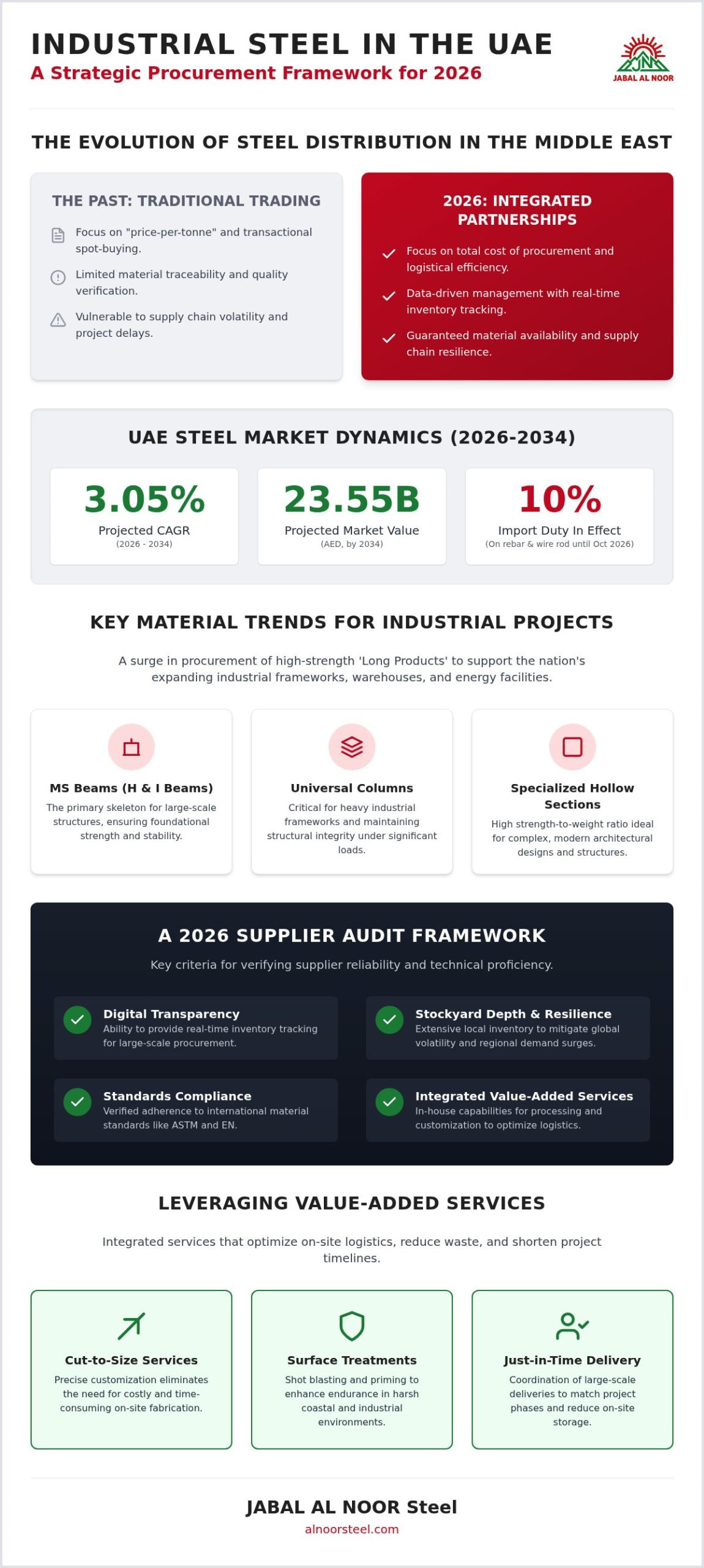
In 2026, the value of industrial steel suppliers UAE is no longer defined by inventory volume alone, but by the precision of their technical transparency and integrated processing capabilities. Procurement professionals and engineers across the Emirates recognize that supply chain volatility and the rigorous demands of material grade compliance in harsh environments are the most significant threats to large-scale project timelines. You likely feel the pressure of maintaining operational excellence while managing a 10% import duty on rebar and wire rod that remains in effect through October 2026.

This article provides the strategic framework required to evaluate partners that can serve as foundational pillars for national infrastructure. You will gain insights into identifying the shifts in the Middle East distribution landscape and selecting partners who offer verified material traceability. We will analyze how the transition toward modular construction and high-tech surface treatments is reshaping the industry. This guide explores how to optimize on-site logistics through pre-processed structural steel and secure a long-term supply partnership that prioritizes industrial stability and technical proficiency.

Key Takeaways

  • Analyze the transition from traditional steel trading to complex supply chain management necessitated by the scale of 2026 national infrastructure projects.
  • Identify the critical role of high-strength Long Products, such as MS beams and universal columns, in maintaining structural integrity for heavy industrial frameworks.
  • Evaluate industrial steel suppliers UAE based on their digital transparency and ability to provide real-time inventory tracking for large-scale procurement.
  • Establish a rigorous audit framework to verify supplier reliability, focusing on stockyard depth and adherence to international material standards like ASTM and EN.
  • Leverage integrated value-added services, including shot blasting and cut-to-size customization, to optimize on-site logistics and reduce project timelines.

The Evolution of Steel Distribution in the Middle East

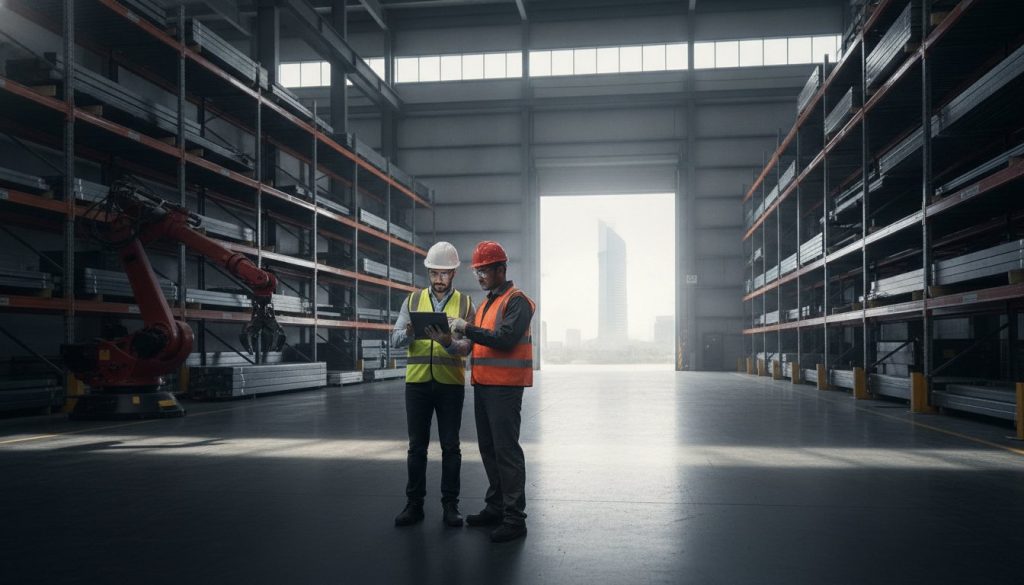
The landscape of Middle East steel distribution is undergoing a fundamental transformation. In 2026, the region has transitioned from a market dominated by simple commodity trading to one defined by complex, data-driven supply chain management. This shift is primarily driven by the massive scale of national infrastructure projects and the UAE’s strategic position as a resilient logistics hub. Industrial steel suppliers UAE now serve as critical technical consultants rather than mere vendors. Procurement teams have recognized that traditional spot-buying is no longer sufficient to support the rigorous timelines of modern giga-projects. Consequently, there’s a decisive move toward long-term stockist partnerships that offer guaranteed material availability and fixed quality benchmarks.

To better understand the operational scale and procurement process within the regional market, watch this helpful video:

Market Dynamics and Supply Chain Resilience

The UAE steel market is projected to grow at a CAGR of 3.05% between 2026 and 2034, reaching a valuation of approximately AED 23.55 billion. Managing this growth requires mitigating global volatility through localized, high-volume inventory buffers. National suppliers are currently navigating a 10% import duty on rebar and wire rod, effective until October 12, 2026, which reinforces the need for domestic stock depth. Supply chain resilience in 2026 steel procurement is defined as the strategic capacity of a supplier to maintain material flow and price stability despite fluctuating global trade policies and regional demand surges. Professional procurement officers now prioritize partners who hold extensive stocks of universal beams and columns to ensure energy projects remain on schedule.

The Move Toward Integrated Logistical Partnerships

Engineering firms are increasingly abandoning the “price-per-tonne” mindset in favor of analyzing the total cost of procurement. This comprehensive approach accounts for logistical efficiency, material traceability, and the reduction of on-site waste. Integrated partnerships provide a synergy between raw material supply and specialized services that traditional traders cannot match. Established industrial steel suppliers UAE provide structural stability for engineering firms by offering:

  • Customization: Precise cut-to-size services that eliminate the need for on-site fabrication.
  • Surface Treatments: Shot blasting and priming that enhance the endurance of structural steel in harsh coastal environments.
  • Just-in-Time Delivery: Coordination of large-scale deliveries to match project phases, reducing the need for extensive on-site storage.

By shifting from transactional interactions to these integrated models, contractors can leverage the technical proficiency of their suppliers to optimize structural frameworks and ensure compliance with international grades like ASTM A36 and EN 10025.

The 2026 project landscape in the UAE demands materials that prioritize structural integrity and long-term endurance. Leading industrial steel suppliers UAE are reporting a significant surge in the procurement of high-strength ‘Long Products’ to support the nation’s expanding industrial framework. There’s a critical demand for MS beams, specifically H beams, I beams, and universal columns, which form the primary skeleton of large-scale warehouses and energy facilities. This shift aligns with a broader 2026 Market Trends & Sourcing Analysis that highlights how protectionism and regional demand are influencing material selection. Modern architectural designs also increasingly incorporate specialized hollow sections, which provide a high strength-to-weight ratio for complex geometric structures while maintaining the durability required for the Middle East climate.

Structural Steel Grades and International Standards

Compliance with international standards isn’t optional for national infrastructure projects; it’s the foundation of safety and insurance eligibility. Engineering specifications in 2026 increasingly mandate strict adherence to Structural Steel Quality Standards UAE, with a heavy focus on ASTM A36 and EN 10025. While S235JR remains a staple for general construction, many high-rise and industrial frameworks now require S355JR due to its superior yield strength and load-bearing capacity. Choosing the correct grade ensures that the structural framework can withstand the unique environmental pressures of the region, from thermal expansion to heavy industrial loads. It’s essential to partner with industrial steel suppliers UAE who provide full material traceability and mill test certificates for every batch delivered to the site.

Corrosion Resistance and Surface Durability

The UAE’s high humidity and saline environments require specialized protective measures to prevent premature structural failure. GI and PPGI sheets play a vital role in protecting industrial assets by providing a sacrificial zinc layer or a robust pre-painted coating. For marine and oil & gas infrastructure, the use of stainless steel 316 has become the standard for components exposed to corrosive elements. Procurement teams should consult the GI and PPGI Steel Sheets UAE Guide to understand how different coating thicknesses affect the lifespan of their cladding and roofing systems. Integrating these durable materials early in the design phase reduces long-term maintenance costs and extends the operational life of the facility. Professional contractors can review the latest inventory of structural components to ensure their projects meet these rigorous 2026 benchmarks for endurance and quality.

Technological Integration in Industrial Steel Supply

The industrial steel supply chain in the UAE is no longer just about physical stock; it’s about the data that travels with it. In 2026, leading industrial steel suppliers UAE have adopted comprehensive digital ecosystems to provide real-time inventory tracking and procurement transparency. This digital transformation allows procurement officers to view live stock levels across multiple stockyards, ensuring that massive infrastructure projects never face unexpected shortages. Automated warehouse management systems have become the standard for reducing lead times, as they optimize the picking and loading process for heavy structural components. These systems facilitate better material traceability by digitally tagging each batch at the mill and tracking its movement through the supply chain until it reaches the project site.

Inventory Transparency and Lead Time Optimization

Data-driven stock management is essential for reducing project delays that can cost contractors thousands of dirhams daily. By utilizing integrated digital platforms, suppliers provide immediate access to digital Mill Test Certificates (MTCs). This digital availability accelerates the engineering approval process by eliminating the wait for physical documentation. Procurement teams can now verify grade compliance for ASTM A36 or EN 10025 materials instantly. Real-time inventory visibility prevents on-site downtime by allowing project managers to synchronize their procurement schedules with actual stock availability rather than estimated lead times. This level of precision is particularly vital when sourcing specialized items like universal beams or columns that require specific surface treatments before delivery.

Sustainability and Regional Compliance

The UAE industrial sector is witnessing a significant shift toward sustainable sourcing as 2026 environmental regulations become more stringent. Regional producers are increasingly focusing on “Green Steel” production, utilizing Electric Arc Furnaces and cleaner energy sources to reduce carbon emissions. National suppliers now play a pivotal role in verifying the carbon footprint of structural materials. They provide the necessary documentation for projects seeking LEED or Estidama certifications, ensuring every component meets regional environmental benchmarks. When Evaluating Steel Manufacturers in UAE, it’s crucial to assess their commitment to these green standards alongside their technical capabilities. This focus on sustainability ensures that the materials used in national infrastructure contribute to the UAE’s long-term environmental goals while maintaining the high standards of industrial stability required for heavy engineering.
Industrial Steel Suppliers in the UAE: 2026 Market Trends & Sourcing Analysis

Evaluating Industrial Steel Suppliers: A 2026 Audit Framework

A professional audit of industrial steel suppliers UAE begins with a rigorous assessment of their physical infrastructure and stockholding capacity. In 2026, the reliability of a distribution partner is measured by their ability to maintain operational continuity despite global supply chain fluctuations. Selecting a partner requires a shift from transactional vetting to a comprehensive framework that prioritizes material variety and strict adherence to international quality benchmarks. Trustworthy partners must demonstrate consistent compliance with JIS, ASTM, and EN standards through verifiable documentation. A supplier’s logistical reach is a primary indicator of their national coverage capability; a dedicated delivery fleet ensures that heavy MS beams and channels are transported under strict safety protocols, reducing the risk of material damage during transit.

Inventory Depth vs. Sourcing Agility

Physical stock-on-hand is vastly superior to sourcing through trading networks for high-stakes projects. When a project requires immediate access to specialized components, waiting for a trader to locate stock introduces unacceptable risk and potential project delays. Procurement teams should evaluate a supplier’s range of hollow sections and industrial pipes from a single source to minimize logistical complexity and ensure material consistency. It’s vital to verify that the supplier maintains high-volume inventory buffers to mitigate the impact of market volatility. For a detailed technical breakdown of available structural profiles, refer to the Hollow Section Steel Suppliers in UAE Guide.

Operational Excellence and Technical Support

A supplier’s value is deeply rooted in their ability to provide rigorous technical documentation and engineering support. This includes the immediate provision of Mill Test Certificates and expert guidance on material grade selection for specific industrial environments. When comparing industrial steel suppliers UAE, look for an established history; for instance, a supplier operational since 2010 offers a proven track record of industrial stability and regional expertise. This seasoned perspective is essential for understanding the unique pressures of large-scale infrastructure projects. For more on selecting a partner for national infrastructure, consult the Steel Suppliers in UAE Strategic Guide. You can also view our inventory of structural components to assess our current stock levels and processing capabilities.

Strategic Partnerships: The JABAL AL NOOR Steel Advantage

JABAL AL NOOR Steel has functioned as a cornerstone of the regional industrial landscape since its inception in 2010. While the broader market has shifted toward complex distribution models, the practical application of these trends is best realized through a partner that understands the high-stakes nature of energy and infrastructure projects. As one of the most dependable industrial steel suppliers UAE, the brand provides the industrial stability required for long-term collaborations. This authoritative expertise ensures that every project component meets the rigorous quality benchmarks established for the 2026 national development cycle, prioritizing precision and ethical conduct over flashy innovation.

The logistical advantage of maintaining an integrated inventory of both ‘Long Products’ and ‘Flat Products’ is a critical differentiator for modern procurement. By providing a single source for MS beams, channels, and plates, JABAL AL NOOR Steel simplifies the supply chain for complex structural frameworks. This consolidated approach reduces the administrative burden on procurement teams and ensures that all structural steel follows a unified traceability protocol. National engineering firms benefit from this streamlined supply chain, which allows for more predictable planning and reduces the risk of material discrepancies during the construction phase.

Value-Added Services: Cut-to-Size and Surface Treatments

Moving beyond simple distribution, JABAL AL NOOR Steel operates high-tech processing facilities that transform raw materials into precision-engineered components. Receiving MS beams and channels that are already shot-blasted, primed, and precision-cut to length reduces on-site labor requirements and significantly lowers the volume of material waste. These specialized industrial processes are essential for maintaining the endurance of steel in the UAE’s demanding environment, where humidity and salinity can compromise unprotected assets. For a technical overview of these capabilities, procurement teams can consult the Cut-to-Size Steel Service in the UAE guide.

Bulk Supply for National Infrastructure and PEB

Managing the high-volume material demands of Pre-Engineered Buildings (PEB) requires a partner with significant stockyard depth and logistical agility. JABAL AL NOOR Steel specializes in these large-scale contracts, providing the structural steel necessary for massive industrial warehouses and regional energy hubs. By functioning as a foundational pillar for these projects, the brand ensures that material availability never becomes a bottleneck for national progress. Engineering teams managing complex, high-volume contracts can benefit from reviewing the bulk steel supply 2026 industrial procurement guide for strategic frameworks on mitigating material non-compliance risks and optimizing delivery schedules. Detailed strategies for managing these high-volume requirements are explored in Strategic Procurement: PEB Steel Suppliers in 2026. Professionals can further evaluate specific material availability by visiting the inventory of structural components.

Securing Structural Integrity for the 2026 Industrial Horizon

The integration of sophisticated supply chains and digital transparency has become a non-negotiable standard for the UAE’s national infrastructure. As 2026 projects scale, success relies on moving beyond simple transactions toward partnerships that prioritize technical proficiency and material traceability. Identifying the right industrial steel suppliers UAE involves auditing for stockyard depth and the capacity to deliver international grades like ASTM A36 and EN 10025. This rigorous selection process ensures that structural frameworks are built for endurance and remain compliant with the region’s evolving regulatory landscape.

Since 2010, JABAL AL NOOR Steel has served as a foundational pillar for regional engineering projects by providing industrial stability and unwavering quality. Our integrated facilities offer specialized cut-to-size customization and surface treatments that directly optimize on-site logistics and reduce material waste. We remain committed to supporting the nation’s most ambitious developments through precision and operational excellence. Explore our comprehensive structural steel inventory and shop online to secure the materials required for your next large-scale project. We look forward to building the future of the Emirates together.

Frequently Asked Questions

What are the primary trends in UAE steel distribution for 2026?

The 2026 market is defined by a significant shift toward “Green Steel” production and the adoption of modular construction methods. Producers are increasingly utilizing Electric Arc Furnaces to reduce carbon emissions in alignment with national sustainability goals. Additionally, procurement teams must navigate a 10% import duty on rebar and wire rod imports, which remains in effect through October 12, 2026. This regulatory environment prioritizes suppliers who maintain robust domestic inventory buffers to ensure price stability.

How do I identify a reliable industrial steel supplier in the Middle East?

A reliable partner is identified by their physical stockholding capacity and a proven track record of industrial stability, such as operations established since 2010. Leading industrial steel suppliers UAE must provide full material traceability and immediate access to Mill Test Certificates. You should also evaluate their logistical infrastructure; a dedicated delivery fleet and integrated processing facilities for surface treatments are essential indicators of a supplier’s capability to support large-scale infrastructure projects.

What is the difference between a steel trader and a structural steel stockist?

A steel trader typically operates as a middleman without maintaining physical inventory, which can lead to significant delays during supply chain disruptions. In contrast, a structural steel stockist maintains high-volume inventory buffers of MS beams, channels, and plates in their own stockyards. Stockists provide immediate material availability and integrated services like cut-to-size customization. This physical presence is critical for mitigating volatility and ensuring that national construction timelines remain on schedule.

Which international steel grades are essential for UAE infrastructure projects?

National infrastructure projects primarily mandate compliance with ASTM A36 and EN 10025 standards to ensure structural safety. Grades like S235JR are standard for general construction, while S355JR is preferred for high-load industrial frameworks due to its superior yield strength. For marine or oil and gas applications, stainless steel 316 is the industry benchmark for corrosion resistance. Verifying these grades through official documentation is a non-negotiable requirement for project insurance and regulatory approval.

Do industrial steel suppliers in the UAE provide cut-to-size customization?

Yes, established industrial steel suppliers UAE offer integrated value-added services including precision cut-to-size customization. This industrial processing allows MS beams and hollow sections to arrive at the project site ready for immediate installation. By utilizing these services, engineering firms can significantly reduce on-site labor costs and minimize material waste. It’s a strategic approach that streamlines the fabrication process and ensures that all components meet exact engineering specifications before delivery.

How does digitalization affect the procurement of structural steel in 2026?

Digitalization enhances procurement through real-time inventory tracking and increased transparency across the supply chain. Procurement officers can now access live data on stock levels for universal beams and columns, preventing unexpected shortages. Digital platforms also facilitate the rapid transfer of technical documentation and Mill Test Certificates, which accelerates the engineering approval process. This technological integration reduces administrative overhead and allows for more precise synchronization between material delivery and project phases.

What role does surface treatment play in industrial steel longevity?

Surface treatments are critical for protecting structural steel against the UAE’s high humidity and saline coastal environments. Processes such as shot blasting and priming remove contaminants and provide a protective barrier that prevents premature corrosion. These treatments extend the operational lifespan of industrial assets and reduce long-term maintenance expenditures. Professional application of these coatings ensures that the steel maintains its structural integrity and aesthetic requirements over decades of heavy industrial use.

Why is local inventory depth critical for national construction timelines?

Extensive local inventory depth serves as a vital buffer against global shipping delays and fluctuating international trade policies. Having immediate access to a wide range of long and flat products ensures that contractors can maintain a steady workflow without waiting for overseas shipments. Local stockholding allows for just-in-time delivery, which is essential for managing congested project sites where storage space is limited. It provides the industrial stability required for the nation’s giga-projects.
Strategic Procurement: PEB Steel Suppliers in 2026

Strategic Procurement: PEB Steel Suppliers in 2026

With structural steel prices rising by 11.9% in 2025 and continuing their ascent through the third quarter of 2026, the margin for procurement error has effectively vanished. For project managers and engineers, the challenge isn’t just about managing costs; it’s about ensuring that every MS beam and hollow section meets the strict ASTM and EN standards required for industrial safety. You likely recognize that inconsistent material quality or a simple delay in receiving customized lengths can derail an entire construction timeline. Finding a reliable steel supplier for PEB structures has become a strategic necessity to mitigate these structural risks and logistical bottlenecks.

This article provides the framework you need to master technical requirements and procurement strategies for sourcing high-grade structural steel. You’ll learn how to secure a steady supply of certified materials while optimizing on-site assembly through the use of pre-processed, cut-to-size components. We’ll also explore methods for reducing overall project costs through strategic volume procurement, helping you maintain operational excellence in a market defined by measured volatility and constrained supply.

Key Takeaways

  • Understand why material traceability and strict adherence to international ASTM and EN standards serve as the primary safeguards against structural failure in industrial steel projects.
  • Identify the critical roles of MS beams, channels, and hollow sections in forming both the primary rigid frames and secondary structural members of a durable building.
  • Evaluate a steel supplier for PEB structures based on their inventory of high-strength grades, specifically looking for ASTM A572 Grade 50 and S355JR for demanding applications.
  • Discover how value-added processing, such as cut-to-size customization and shot blasting, improves logistical efficiency and provides essential long-term corrosion resistance.
  • Develop a strategic procurement framework for partnering with national stockists that offer a comprehensive range of long and flat products to support large-scale infrastructure.

The Critical Role of a Steel Supplier for PEB Structures

The efficiency of a pre-engineered building depends entirely on the precision and quality of its constituent parts. In the current industrial climate, where structural steel prices reached $2,660.55 per ton in July 2026 after rising 11.9% in 2025, every procurement decision carries significant financial and safety implications. A steel supplier for PEB structures functions as the logistical backbone of rapid industrial construction, ensuring that every structural member arrives on-site with the precision required for immediate assembly. This role has evolved from a simple material provider to a critical link in the engineering chain. Material traceability now serves as the primary safeguard against structural failure. It provides a documented history of chemical composition and mechanical properties that ensures every MS beam and hollow section meets the rigorous benchmarks set by international regulatory bodies.

Fundamental Advantages of Steel-Based PEB Systems

Steel remains the preferred medium for industrial infrastructure due to its exceptional strength-to-weight ratio. This characteristic allows for clear-span designs that maximize usable floor space without the need for intrusive interior columns. Unlike traditional reinforced concrete structures, steel-based systems offer a speed of execution that significantly reduces project timelines. Components are manufactured off-site and delivered ready for installation, which minimizes on-site labor requirements and waste. Additionally, the inherent recyclability of structural steel aligns with the growing demand for sustainable construction practices in large-scale energy and infrastructure projects.

The Supplier as a Strategic Engineering Partner

In 2026, the relationship between a contractor and their steel supplier for PEB structures has shifted toward a technical partnership. Modern suppliers provide material consultancy that goes beyond typical price lists, helping clients select the optimal steel grades for specific environmental loads and structural requirements. Maintaining consistency across bulk orders is vital; even minor deviations in mechanical properties can compromise the integrity of a rigid frame. By managing localized national inventory, a dependable supplier mitigates the risks associated with global supply chain disruptions and seasonal demand surges. You can browse a comprehensive range of certified materials in the product inventory to ensure your project remains on schedule. This stability allows project managers to plan with confidence, knowing their supply of MS channels and universal beams is secured against the measured volatility of the current market.

Essential Structural Steel Components for PEB Frameworks

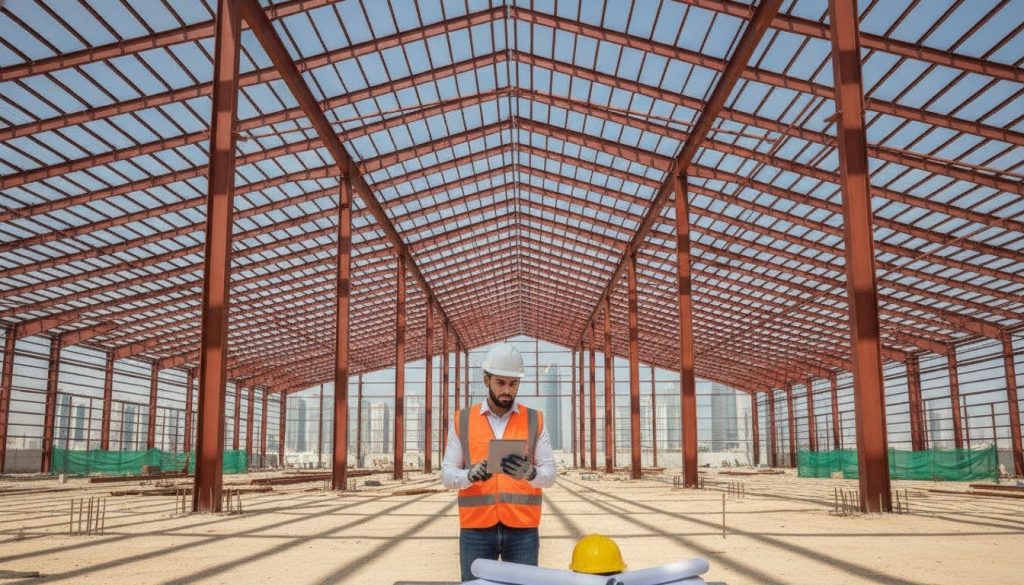
A sophisticated PEB system isn’t merely a collection of parts; it’s a precisely engineered assembly where every component must perform under specific load conditions. Selecting a reliable steel supplier for PEB structures ensures that these components meet the exacting tolerances required for rapid on-site bolting. The framework is generally divided into primary frames, secondary members, and bracing systems, each requiring specific long products to maintain the building’s structural equilibrium. Without high-grade materials, the synergy between design and execution is lost, leading to costly modifications during the construction phase.

Beams and Columns: The PEB Backbone

Primary framing members consist of heavy-duty MS beams that form the rigid rafters and columns. Universal Beams (UB) and IPE sections are frequently specified for their optimized depth-to-weight ratios, providing the necessary stiffness for wide-span industrial sheds. HEB and Universal Columns are utilized where axial loads are dominant, such as in multi-story mezzanines or heavy crane runway supports. As an established structural steel supplier UAE, we maintain a robust inventory of these profiles to prevent project delays. Dimensional accuracy in these hot-rolled sections is non-negotiable. Even a slight deviation in flange width or web thickness can lead to misalignment during the assembly of the primary rigid frame.

Hollow Sections and Secondary Members

Secondary structural members provide the necessary lateral support and the surface area required for cladding attachment. MS channels and cold-formed sections are the industry standard for purlins and girts, while square and rectangular hollow sections (SHS/RHS) are preferred for architectural bracing and structural reinforcement. These components must adhere to recognized steel grades and standards to ensure they can withstand wind loads and seismic forces without compromising the primary frame. For projects in corrosive coastal environments, specifying galvanized (GI) or stainless steel components for secondary framing provides an essential layer of protection against oxidation. You can review our full range of structural steel products to identify the specific MS bars and angles required for your building’s stability reinforcement. Using high-grade MS angles for cross-bracing ensures the structure remains plumb and square under dynamic industrial loads.

Evaluating Steel Grades and Standards for PEB Integrity

Metallurgical precision is the foundation of structural safety in modern heavy industry. In the context of pre-engineered construction, selecting the correct material grade isn’t just about meeting a specification; it’s about ensuring the building can handle the environmental and mechanical loads of its specific location. ASTM A36 and S235JR remain the industry workhorses for standard rigid frames. These grades offer excellent ductility and weldability, which are essential for the rapid assembly of pre-engineered components. However, the carbon content in these steels must be strictly monitored. Excessive carbon can lead to brittleness and heat-affected zone cracking during the welding process, which compromises the integrity of the primary framing members.

ASTM vs EN Standards: A Procurement Comparison

Choosing between American and European standards often depends on regional building codes and the original engineering design specifications. While ASTM A36 is common, many large-scale infrastructure projects now require European S235JR or S355JR due to their specific yield strength benchmarks and impact resistance. You should consult a structural steel quality standards UAE reference guide to determine which standard aligns with your project’s eligibility. For high-load environments or structures with wide clear spans, specifying high-strength grades like ASTM A572 Grade 50 or S355JR becomes necessary. These materials allow for thinner sections without sacrificing load-bearing capacity, which reduces the total weight of the structure and lowers logistical costs. The Metal Building Manufacturers Association (MBMA) provides extensive research on how these high-strength steels improve building performance and long-term durability.

Certification and Quality Assurance Protocols

A reputable steel supplier for PEB structures must provide comprehensive documentation to verify that every delivery meets the required technical specifications. Mill Test Certificates (MTC) are the non-negotiable standard for quality assurance in the 2026 industrial landscape. These certificates provide a detailed breakdown of chemical composition and mechanical test results, ensuring that the MS beams and channels you receive are exactly what was ordered. Beyond the mill’s own testing, third-party inspection protocols for long products add an extra layer of security. This level of material traceability, from the initial melt at the mill to the final delivery at the PEB site, is what separates a foundational industrial partner from a mere trader. It ensures that every component, whether it follows JIS or EN 10025 standards, is fit for its intended purpose in the building’s framework.

Value-Added Processing: Customization for PEB Efficiency

The transition from raw material to a structural assembly requires more than just transport; it demands precision processing that aligns with the building’s engineering blueprints. Partnering with a specialized steel supplier for PEB structures allows contractors to receive materials that are already optimized for immediate erection. This approach eliminates the need for extensive on-site fabrication, which is often prone to errors and environmental delays. By delivering ready-to-assemble components, suppliers act as an extension of the project’s engineering team, ensuring that every MS beam and hollow section fits perfectly within the intended framework.

Precision Cut-to-Size Services

On-site labor costs and material waste are two of the most significant drains on an industrial project budget. Utilizing a cut to size steel service UAE ensures that structural members are delivered to exact millimeter tolerances. This precision is vital for the large spans typical of pre-engineered buildings, where even a minor measurement error can lead to structural misalignment. Customizing beam lengths at the warehouse level also minimizes off-cut waste. This is a critical advantage in 2026, as structural steel prices remain high. Precision engineering of steel profiles ensures that every kilogram of purchased material contributes directly to the building’s integrity.

Surface Treatments and Protection

Long-term durability in heavy industry depends heavily on initial surface preparation. Shot blasting to SA 2.5 standards is the recognized benchmark for removing mill scale and rust, providing a clean profile for optimal coating adhesion. Applying industrial primers immediately after blasting protects the steel from oxidation during transport and the often lengthy erection phase. While galvanized finishes offer superior protection in highly corrosive environments, primed steel remains the standard for most PEB frameworks due to its balance of cost-effectiveness and durability. These treatments ensure that the foundational pillars of your project remain resilient against the elements from day one.

Inventory Management for Large Contracts

Managing the supply chain for multi-phase industrial projects requires a methodical approach to logistics. A reliable steel supplier for PEB structures maintains a vast national inventory of long and flat products, allowing for just-in-time delivery strategies that keep the site clear of unnecessary clutter. This steady flow of materials prevents bottlenecks and ensures that secondary members arrive exactly when the primary rigid frames are secured. For contractors managing high-volume orders across multiple project phases, a well-structured bulk steel supply strategy is essential to maintaining cost control and schedule adherence. Warehousing solutions for bulk orders provide an additional layer of security against market fluctuations and seasonal demand surges. You can explore our full range of customizable steel products to streamline your next industrial project and ensure consistent material availability throughout every construction phase.

Strategic Sourcing: Partnering with a National Steel Stockist

The success of an industrial construction project depends on the stability of its supply chain. In a market where structural steel prices reached $2,660.55 per ton in July 2026, choosing the right partner is a critical financial decision. A steel supplier for PEB structures must offer more than just material; they must provide a foundation of reliability that supports the entire project lifecycle. This requires a methodical approach to evaluating steel manufacturers in UAE, focusing on their ability to maintain consistent stock levels of MS beams, channels, and hollow sections. A diversified product range, extending from primary structural members to specialized stainless steel components, ensures that every technical requirement is met under a single procurement umbrella.

Assessing Supplier Capability and Reach

Operational stability is the hallmark of a seasoned industry veteran. When you’re managing large-scale infrastructure or energy projects, you don’t just need a vendor; you need a partner with the financial and logistical capacity to handle bulk material orders over several months. Technical support is equally vital. A knowledgeable supplier helps you navigate complex material specifications, ensuring that the grades you receive are precisely suited for the building’s load-bearing requirements. Leveraging national logistics allows for seamless delivery to industrial zones, preventing the bottlenecks that often occur when relying on fragmented supply chains. Jabal Al Noor Steel serves as this foundational pillar, offering an extensive inventory and the technical proficiency required to support the most demanding industrial applications.

The Future of Steel Procurement for PEBs

The industrial landscape of 2026 is defined by a shift toward high-performance materials and data-driven logistics. Modern steel suppliers in UAE are increasingly integrating digital inventory tracking with construction timelines to facilitate just-in-time delivery. This synchronization minimizes on-site storage needs and optimizes cash flow for contractors. We’re also seeing a move toward higher-grade alloys and more rigorous sustainability goals, as the industry seeks to reduce the carbon footprint of structural components. Understanding the broader shifts in the regional distribution landscape is equally important; a detailed analysis of industrial steel suppliers UAE market trends and sourcing strategies reveals how supply chain volatility and material grade compliance are reshaping procurement decisions across the Emirates. By prioritizing material traceability and operational excellence, a dedicated steel supplier for PEB structures helps you navigate these evolving standards with confidence. You can review our full range of long and flat products in the product inventory to secure the materials necessary for your next project. This strategic alignment ensures that your procurement process remains efficient, transparent, and geared toward long-term value.

Securing the Future of Industrial Infrastructure

The industrial landscape of 2026 demands a level of precision and material traceability that only a seasoned partner can provide. By mastering technical specifications and prioritizing value-added processing like cut-to-size customization, you ensure your project remains resilient against market volatility. Selecting the right steel supplier for PEB structures isn’t merely a transactional choice; it’s a commitment to the long-term durability and safety of your infrastructure. Ensuring that every MS beam and channel meets rigorous ASTM or EN standards is the only way to safeguard your investment in an era of constrained supply and high structural requirements.

Jabal Al Noor Steel has been a foundational pillar of industrial reliability since 2010. We maintain a comprehensive stock of MS beams, channels, and hollow sections, all tailored to meet the exacting requirements of modern engineering. Our national delivery capability ensures that your large-scale infrastructure projects receive high-grade materials exactly when they’re needed, optimizing your assembly timelines. Explore our full inventory of structural steel for PEB projects to secure the high-performance components your next build requires. We look forward to supporting your operational excellence with the technical proficiency and steady partnership your projects deserve.

Frequently Asked Questions

What is the best steel grade for PEB structures in the UAE?

ASTM A36 and S235JR are the standard grades for rigid frames due to their excellent ductility and weldability. For projects requiring higher yield strength or wider spans, specifying ASTM A572 Grade 50 or S355JR is necessary. These materials allow for lighter sections without compromising load-bearing capacity. Choosing the correct grade through a reliable steel supplier for PEB structures ensures the building meets national safety codes and environmental requirements.

How does a steel supplier support the PEB design phase?

A supplier acts as a technical consultant by aligning material availability with engineering blueprints. They provide critical data on the dimensional accuracy of MS beams and the mechanical properties of various alloys. This partnership helps engineers select profiles that are readily available in national inventory, preventing costly redesigns later in the project. Early collaboration ensures that the structural steel for construction is optimized for both performance and procurement efficiency.

What is the difference between hot-rolled and cold-formed steel in PEB?

Hot-rolled steel, including universal beams and columns, forms the primary load-bearing backbone of the building. These sections are produced at high temperatures to achieve high structural integrity. Cold-formed steel is typically used for secondary members such as purlins and girts. These sections are shaped at room temperature and offer a high strength-to-weight ratio, which is ideal for supporting cladding systems while minimizing the overall weight of the framework.

Why is shot blasting necessary for PEB structural components?

Shot blasting to SA 2.5 standards is essential for removing mill scale, rust, and contaminants from the steel surface. This process creates a clean, textured profile that ensures maximum adhesion for industrial primers and protective coatings. Without proper surface treatment, coatings are likely to fail, leading to premature corrosion and structural risks. This is particularly vital for industrial buildings exposed to harsh environmental conditions or chemical processes.

How can cut-to-size steel services reduce PEB construction costs?

Cut-to-size customization lowers expenses by reducing on-site labor and eliminating material off-cut waste. When a steel supplier for PEB structures delivers components to exact millimeter tolerances, the need for dangerous and time-consuming on-site welding or cutting is minimized. This precision engineering speeds up the erection process and ensures that every kilogram of purchased steel is utilized effectively, which is crucial given that structural steel prices remain high in 2026.

What certifications should I demand from my PEB steel supplier?

You should always demand Mill Test Certificates (MTC) that verify the chemical composition and mechanical properties of every delivery. These documents ensure compliance with international standards such as EN 10025, ASTM, or JIS. Additionally, look for suppliers who adhere to third-party inspection protocols. Traceability from the mill to the construction site is the primary safeguard against using substandard materials that could compromise the integrity of heavy industrial infrastructure.

Can stainless steel be used in PEB structures for coastal environments?

Stainless steel is an excellent choice for secondary components and fasteners in coastal or highly corrosive industrial zones. While primary rigid frames often use primed MS beams, stainless steel offers superior resistance to chloride-induced pitting and oxidation. Utilizing stainless steel for critical connection points or specialized tubing ensures the long-term endurance of the structure. It’s a strategic investment that reduces maintenance costs in environments where standard carbon steel would degrade rapidly.

What are the typical lead times for bulk structural steel delivery?

Typical lead times vary based on the scale of the order and current national inventory levels. National stockists with extensive warehouses can often fulfill orders for standard MS beams and channels within a few business days. However, bulk orders for specialized high-strength grades or large-scale infrastructure projects require longer lead times for processing. Planning procurement in the fourth quarter is a common strategy to secure materials before the spring construction surge. A comprehensive bulk steel supply procurement guide can help you anticipate these timelines and build a more resilient ordering schedule.

Steel Suppliers in UAE: A 2026 Strategic Procurement Guide

Steel Suppliers in UAE: A 2026 Strategic Procurement Guide

In the high-stakes environment of heavy industry, a single batch of non-compliant structural steel doesn’t just delay a project; it compromises the foundational integrity of national assets. Procurement teams frequently face the exhausting cycle of fluctuating market prices and logistical delays that threaten even the most meticulous project timelines. It’s a persistent challenge when material grades fail to meet international standards or when a lack of precision customization adds unnecessary labor costs to your operations. Identifying the right steel suppliers in uae is no longer about finding the lowest bidder; it’s about securing a technical partner who understands these industrial pressures.

This strategic guide empowers you to master the complexities of steel procurement by focusing on rigorous material compliance and advanced industrial customization. You’ll gain the expertise needed to secure a reliable long-term supply partner and reduce on-site labor through pre-processed steel. We’ll examine the 2026 regulatory landscape, evaluate the necessity of surface treatments, and outline the criteria for selecting a supplier capable of supporting the scale of your infrastructure projects with unwavering confidence.

Key Takeaways

  • Understand the critical distinctions between structural steel categories, including MS beams, channels, and plates, to ensure your materials meet rigorous international standards.
  • Learn how to evaluate the inventory depth and logistical capabilities of steel suppliers in uae to maintain seamless delivery schedules for large-scale infrastructure projects.
  • Discover how industrial customization services like cut-to-size and surface treatments can significantly reduce on-site labor and enhance the long-term durability of your steel components.
  • Gain insights into establishing a strategic partnership with established stockists like Jabal Al Noor Steel to ensure complete material traceability and operational excellence.

The Landscape of Steel Supply in the UAE in 2026

The UAE has solidified its position as the primary nexus for industrial steel distribution within the Middle East. This growth is a direct result of the UAE’s diversified economy, which prioritizes large-scale infrastructure and energy projects. In 2026, the market is defined by a rigorous demand for structural precision. Reliability is paramount. Contractors no longer seek mere availability; they require verified material traceability and a logistics network capable of supporting rapid-fire project cycles.

To better understand the scale and variety offered by professionals in this sector, watch this helpful video:

Bulk steel sourcing presents significant hurdles, particularly regarding logistical efficiency and compliance with international standards. Fluctuating market prices and lead-time delays often disrupt project schedules. For procurement managers, the choice of steel suppliers in uae becomes a strategic decision to mitigate these risks. It’s about stability. Reliable stockists act as a buffer against market volatility, ensuring that critical components like MS beams and hollow sections are ready for immediate dispatch.

Current Trends in National Infrastructure Development

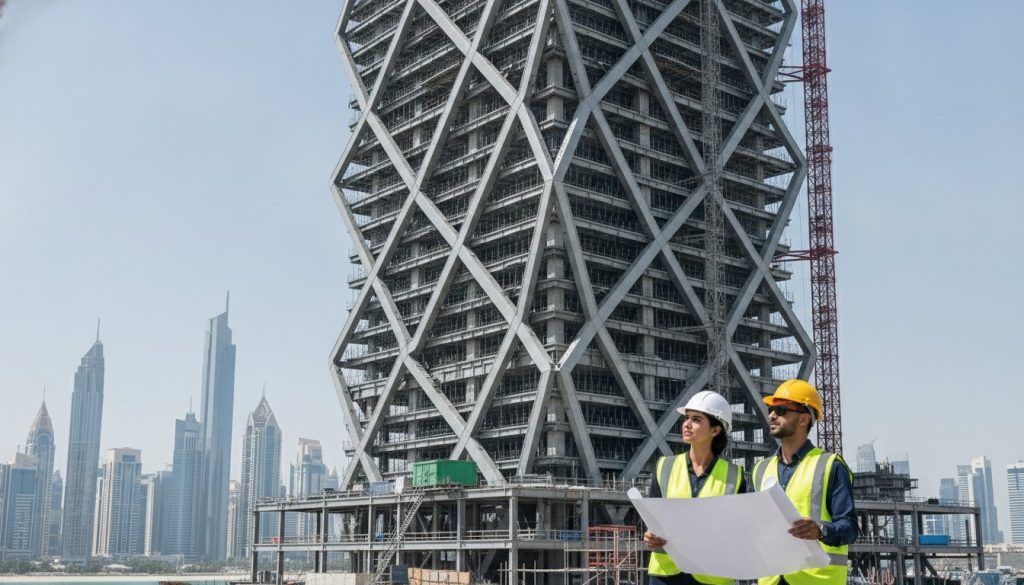
National development strategies, such as “Operation 300 billion,” have shifted the focus toward high-performance, sustainable structural components. There’s a rising requirement for high-strength steel that offers superior weight-to-strength ratios, reducing the total material volume needed for complex engineering. Supply chain resilience has become the hallmark of successful projects. National steel suppliers in uae are adapting by maintaining deeper inventories of long products and flat products, allowing them to meet accelerated construction timelines without compromising on quality benchmarks. This shift ensures that the materials used in 2026 projects provide the necessary endurance for the nation’s evolving skyline. Quality remains the priority.

The Role of Professional Steel Stockists

Professional stockists bridge the critical gap between global steel manufacturers and local on-site contractors. While manufacturers focus on high-volume production, stockists like Jabal Al Noor Steel provide the agility required for day-to-day operations. They offer immediate access to a diverse product range, from universal columns to MS plates. Centralized logistics systems ensure that materials reach remote project sites efficiently, providing a level of service that direct-from-mill orders cannot match. This logistical precision is essential for maintaining the momentum of national infrastructure development. For those looking to browse specialized inventory, the product shop offers a comprehensive look at available structural solutions.

Essential Structural Steel Categories and Material Grades

Selecting the correct material grade is a technical necessity that dictates the safety and longevity of any industrial structure. Structural steel is categorized primarily into long and flat products, each serving distinct engineering purposes. Long products remain the primary revenue driver for established steel suppliers in uae, encompassing MS Beams, Channels, Angles, and Bars. These components form the skeletal framework of warehouses, high-rise buildings, and industrial plants. According to global steel production statistics, the efficiency of structural steel consumption is rising as engineering standards become more precise and demanding.

Flat products, such as MS Plates and Sheets, are essential for heavy-duty fabrication, storage tanks, and industrial flooring. These materials provide the necessary surface area and thickness for high-pressure environments. Hollow sections, which include round, square, and rectangular tubes, are indispensable for lightweight yet rigid frameworks. Their geometric efficiency allows for high torsional resistance in complex architectural designs. For a detailed technical breakdown of these components, consult our specialized guide for Hollow Section Steel Suppliers in UAE.

Decoding International Steel Grades: ASTM vs EN

The UAE market frequently balances two primary standards: ASTM and EN. While ASTM A36 and ASTM A572 Grade 50 are common in specific sectors, the European EN 10025 standards, particularly S235JR and S355JR, dominate the local engineering landscape. Grade certification is non-negotiable; it ensures that the chemical composition and mechanical properties align with design requirements. S355JR grade is the established standard for high-yield structural applications due to its superior load-bearing capacity. Choosing the correct grade prevents material failure and ensures compliance with municipal safety regulations.

Specialized Materials: GI, PPGI, and Stainless Steel

Corrosive environments require specialized protection to maintain structural integrity. Galvanized Iron (GI) utilizes a zinc coating to prevent oxidation in moisture-heavy zones, making it a staple for outdoor infrastructure. For projects requiring both protection and visual appeal, Pre-Painted Galvanized Iron (PPGI) offers a durable, aesthetic finish in various colors. In marine or highly industrial settings, the choice between Stainless Steel 304 and the more corrosion-resistant 316 is critical for preventing pitting and surface degradation. You can explore our GI and PPGI Steel Sheets UAE guide for deeper procurement insights. To ensure your project uses only certified materials, you can view our current structural inventory to find the exact specifications required for your site.

Key Criteria for Selecting a Reliable Steel Stockist

Procurement excellence in the heavy industry demands more than a simple transaction; it requires a partnership built on operational transparency. When evaluating steel suppliers in uae, the primary objective is to minimize structural risk and logistical friction. A reliable partner acts as a foundational pillar for your project, ensuring that every beam and column meets the exact rigors of its intended application. It’s not just about the product; it’s about the security of the supply chain.

Certification is the bedrock of engineering compliance. Every structural component must be accompanied by a Mill Test Certificate (MTC). This document verifies the material’s chemical and mechanical properties, ensuring it aligns with the engineering specifications outlined in the project design. Traceability is mandatory for maintaining high standards. A supplier’s history also serves as a proxy for reliability. Companies established in 2010, like Jabal Al Noor Steel, have weathered multiple market cycles, demonstrating the financial stability and institutional knowledge necessary to support high-stakes infrastructure. To distinguish between transactional vendors and committed partners, our 2026 procurement checklist for evaluating steel trading companies in UAE provides a repeatable framework for vetting manufacturers against rigorous international benchmarks.

Evaluating Inventory and Stock Management

One-stop sourcing is a critical strategy for reducing procurement overhead. A stockist with significant inventory depth allows you to secure MS Channels, MS Angles, and universal beams from a single source, eliminating the complexity of managing multiple vendors. Real-time inventory management is essential; it prevents the sudden stockouts that lead to costly project delays. You should verify that your chosen steel suppliers in uae maintain a diverse range of sizes and thicknesses to accommodate both standard and non-standard engineering requirements. This breadth of stock ensures that your project remains on schedule, even when design changes occur.

Logistics and National Delivery Performance

The impact of logistical efficiency on “Just-In-Time” (JIT) construction cannot be overstated. In the UAE’s fast-paced construction sector, delivery delays translate directly into lost labor hours and mounting overhead. Assessing a supplier’s fleet and delivery infrastructure is vital. National coverage is superior to localized trading entities because it ensures consistent service quality across all project sites, regardless of their distance from industrial hubs. A robust delivery network provides the security needed to maintain tight project timelines without sacrificing material safety. Reliable logistics don’t just move steel; they maintain the momentum of national development.

Value-Added Services: Customization and Surface Treatments

Raw material procurement is only the first step in a complex industrial supply chain. To achieve true operational excellence, contractors are increasingly looking for steel suppliers in uae that function as integrated processing partners. Pre-processed steel significantly reduces the burden on on-site fabrication teams by shifting the heavy labor of preparation to a controlled industrial environment. It’s a strategic move that eliminates the need for specialized cutting equipment at the project site and minimizes the volume of scrap material that must be managed. This shift toward value-added services ensures that structural components arrive ready for immediate installation, preserving the momentum of national infrastructure projects.

Precision Cut-to-Size Customization

Industrial-grade cutting for beams, bars, and plates ensures that every component meets precise engineering tolerances that are difficult to achieve with manual on-site tools. By utilizing professional cutting services, engineering firms can procure exact material lengths, which directly reduces project costs by eliminating the purchase of excess raw stock. It’s a matter of technical precision and financial efficiency. Utilizing a professional Cut-to-Size Steel Service in the UAE allows for superior material traceability and consistent quality control during the fabrication phase. Cut-to-size services optimize on-site logistics by delivering ready-to-use components that require no further modification before assembly. This streamlined approach allows project managers to focus their skilled workforce on high-value assembly and welding tasks rather than basic material preparation.

Surface Treatments for Harsh Climates

The UAE’s environmental conditions, characterized by high salinity and humidity, present a constant threat to structural integrity. Unprotected steel is susceptible to rapid oxidation, which can compromise the foundational strength of a building or industrial plant over time. Professional surface treatments provide the necessary endurance for these conditions. Shot blasting is a critical mechanical process used to achieve Sa 2.5 cleanliness standards, effectively removing mill scale, rust, and contaminants to create a surface profile that’s ideal for coating adhesion.

Following the blasting process, industrial priming is applied to seal the metal and prevent flash rusting. This foundational layer is essential for ensuring that final protective coatings bond correctly to the steel. These treatments are particularly vital for long products like MS Beams and Channels that will be exposed to the elements. To ensure your project utilizes materials prepared for maximum durability, you can browse our shop for structural steel that meets these rigorous processing standards. Investing in treated steel from established steel suppliers in uae is a proactive measure against future maintenance costs and structural degradation.

Strategic Partnerships for National Infrastructure Projects

Successful execution of national infrastructure projects requires a procurement strategy that prioritizes long-term stability over short-term savings. In the high-stakes sectors of oil and gas and large-scale commercial construction, the reliability of your supply chain is as critical as the engineering design itself. Jabal Al Noor Steel has established itself as a preferred entity among steel suppliers in uae by providing the technical depth and inventory scale necessary to support complex industrial requirements. Our commitment to international quality standards ensures that every structural component is backed by complete material traceability, providing the security that modern engineering demands. For projects involving pre-engineered buildings, our dedicated guide on sourcing as a steel supplier for PEB structures outlines the specific procurement strategies required to manage rising material costs and ensure certified compliance.

Initiating a bulk procurement contract with our national sales team allows for a more integrated approach to project management. We provide the logistical infrastructure to manage high-volume deliveries of long and flat products across the country, ensuring that your site operations never stall due to material shortages. Trust is earned through consistency. By aligning with a partner that understands the specific pressures of the regional industrial landscape, you secure the endurance and precision required for the nation’s most ambitious projects.

A Foundational Pillar Since 2010

Stability is the hallmark of a seasoned industrial partner. Leveraging over 15 years of regional expertise since our founding in 2010, we’ve developed a deep understanding of the logistical and technical requirements of heavy industry. Our focus remains steadfast on ethical conduct and transparent pricing models, ensuring that our collaborators receive predictable value in a fluctuating market. We’ve built our reputation on the consistent delivery of MS Beams and diverse structural sections, serving as a foundational pillar for national development. This longevity provides the unwavering confidence that contractors need when committing to multi-year infrastructure cycles.

Next Steps: Streamlining Your 2026 Steel Procurement

Efficient procurement in 2026 requires early engagement with technical experts to ensure material selections align with evolving regulatory standards. Our team is prepared to consult on the specific requirements of your project, from selecting the appropriate high-yield grades to determining the necessary surface treatments for corrosive environments. Streamlining your supply chain begins with a comprehensive assessment of your structural needs. You can request customized quotes for bulk long products and flat products tailored to your specific project timelines. To begin your evaluation of our structural offerings, you can visit our shop for a detailed overview of available material categories. Establishing a partnership with professional steel suppliers in uae ensures that your procurement process is as robust as the structures you build.

Securing Industrial Stability for 2026 and Beyond

As national infrastructure projects grow in complexity, the necessity for technical precision and logistical reliability becomes absolute. Success in 2026 depends on more than just material acquisition; it requires a commitment to rigorous international standards and the strategic use of value-added processing. By prioritizing material traceability and industrial-grade customization, procurement teams can significantly reduce on-site labor and ensure long-term structural endurance.

Identifying the most capable steel suppliers in uae is the first step toward safeguarding your project’s timeline and integrity. Jabal Al Noor Steel remains a foundational pillar for the industry, offering a comprehensive national delivery network and an extensive inventory that ensures your operations never stall. Since 2010, we’ve prioritized full compliance with ASTM and EN standards to provide the unwavering confidence your engineering team requires.

Explore our full inventory of structural steel at Jabal Al Noor Steel. We look forward to supporting your next large-scale project with the precision and reliability it deserves.

Frequently Asked Questions

What are the most commonly used steel grades in the UAE?

The most prevalent steel grades in the UAE market are S355JR and S235JR under the EN 10025 standard. These are favored for their excellent weldability and structural strength in national infrastructure projects. Additionally, ASTM A36 and ASTM A572 Grade 50 are frequently specified for heavy-duty industrial applications. Choosing the correct grade ensures that the structural integrity of the project aligns with the rigorous safety standards required by national engineering codes.

How do I verify the quality of structural steel from a supplier?

Quality verification begins with a thorough review of the Mill Test Certificate (MTC) provided with each batch. This document confirms the material’s chemical composition and mechanical properties. You should also ensure the steel meets international benchmarks like ASTM or EN standards. Reliable steel suppliers in uae will maintain complete material traceability, allowing you to cross-reference the heat numbers on the steel with the documentation provided, ensuring total transparency.

Can steel suppliers in the UAE provide customized lengths for beams?

Professional stockists offer comprehensive cut-to-size customization services for MS beams, channels, and angles. This industrial processing allows you to receive materials that match your exact engineering drawings, significantly reducing the need for on-site fabrication. By procuring customized lengths, you minimize material waste and optimize your logistical flow. It’s a strategic approach that streamlines the assembly phase of infrastructure projects while maintaining high precision across all structural components.

What is the difference between MS Beams and Universal Beams?

MS Beams is a general category referring to mild steel structural sections, whereas Universal Beams (UB) represent a specific type of I-beam with parallel flanges. Universal Beams are designed to resist high bending loads in one plane, making them ideal for floor beams in buildings. While all Universal Beams are MS beams, not all MS beams follow the UB profile; other variations include Universal Columns (UC) or Joists, each serving distinct structural roles.

Why is surface treatment like shot blasting important for UAE projects?

Surface treatments are vital for protecting structural steel from the UAE’s high humidity and saline coastal air. Shot blasting removes mill scale and rust to achieve Sa 2.5 cleanliness, creating a textured profile that ensures maximum adhesion for protective primers. This process prevents premature corrosion and structural degradation. Without these treatments, the lifespan of industrial assets is significantly reduced, leading to higher long-term maintenance costs and potential safety risks in harsh environments.

What are the benefits of sourcing from a national steel stockist?

Sourcing from a national stockist provides the advantage of immediate inventory availability and logistical precision. Established steel suppliers in uae maintain diverse stocks of long and flat products, allowing for one-stop sourcing that reduces procurement overhead. National suppliers also possess the fleet infrastructure required to manage nationwide delivery to remote project sites. This reliability ensures that your construction schedule remains uninterrupted by supply chain gaps or localized stock shortages that often affect smaller trading entities.

Do UAE steel suppliers provide mill test certificates (MTC)?

Every reputable supplier in the UAE provides Mill Test Certificates (MTC) as a standard part of the procurement package. These certificates are essential for engineering compliance, as they document the steel’s yield strength, tensile strength, and chemical analysis. You shouldn’t accept structural materials without this documentation. MTCs provide the necessary evidence for municipal inspections and ensure that the materials used in your infrastructure projects meet the high standards of international quality benchmarks.

What types of hollow sections are available for structural use?

Structural hollow sections are available in three primary profiles: Rectangular (RHS), Square (SHS), and Circular (CHS). These sections are valued for their high strength-to-weight ratio and geometric efficiency in resisting torsional loads. They are frequently used in frameworks, trusses, and architectural structures where both strength and aesthetic appeal are required. Stockists maintain these in various thicknesses and grades, ensuring that you can find the exact specifications needed for your specific engineering design. For procurement teams seeking a structured approach to vetting suppliers, reviewing a comprehensive guide on evaluating steel trading companies in UAE against ASTM and EN compliance benchmarks can help ensure your chosen partner meets the highest industry standards.