In the 2026 industrial landscape, a single deviation in material grade or a minor logistical bottleneck can jeopardize the entire fiscal viability of a multi-million dollar infrastructure project. You likely understand that securing a reliable bulk steel supply is no longer just about finding the lowest price per ton. It’s about mitigating the risks of material non-compliance and site delays that quickly erode your margins. It’s a high-stakes environment where the quality of your structural sections and the precision of your delivery schedule define your project’s success.
This guide provides the strategic framework you need to master the complexities of high-volume steel procurement. We’ll show you how to guarantee compliance with ASTM and EN standards while leveraging pre-processing services to reduce onsite labor costs. You’ll gain a clear understanding of the current regulatory environment, including the impact of new import frameworks and the shift toward digitalized fabrication. By the end of this article, you’ll have a blueprint for a streamlined supply chain that prioritizes durability, technical proficiency, and operational excellence.
Key Takeaways
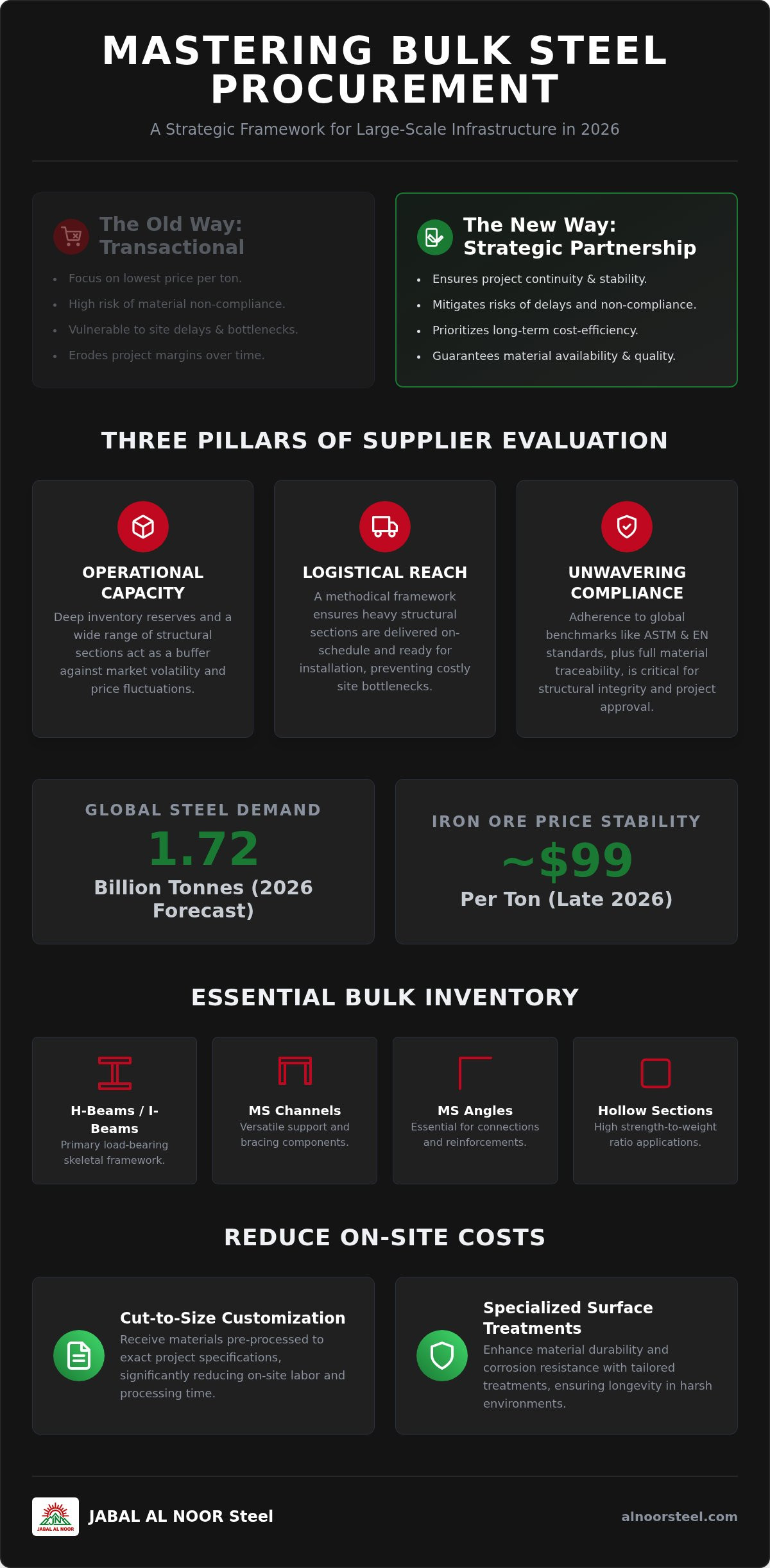
- Transitioning from transactional purchasing to a strategic bulk steel supply model ensures project continuity and long-term cost-efficiency for large-scale infrastructure.
- Understanding the technical nuances of international grades for MS beams, channels, and angles is critical for maintaining structural integrity and meeting rigorous project specifications.
- Successful procurement requires evaluating suppliers on three fundamental pillars: their operational capacity, logistical reach, and unwavering compliance with global quality benchmarks.
- Implementing a methodical logistics framework for heavy structural sections prevents site bottlenecks and ensures materials are delivered on schedule and ready for installation.
- Leveraging value-added services such as cut-to-size customization and specialized surface treatments can significantly reduce onsite processing time and labor costs.
Understanding the Dynamics of Bulk Steel Supply for Large-Scale Projects
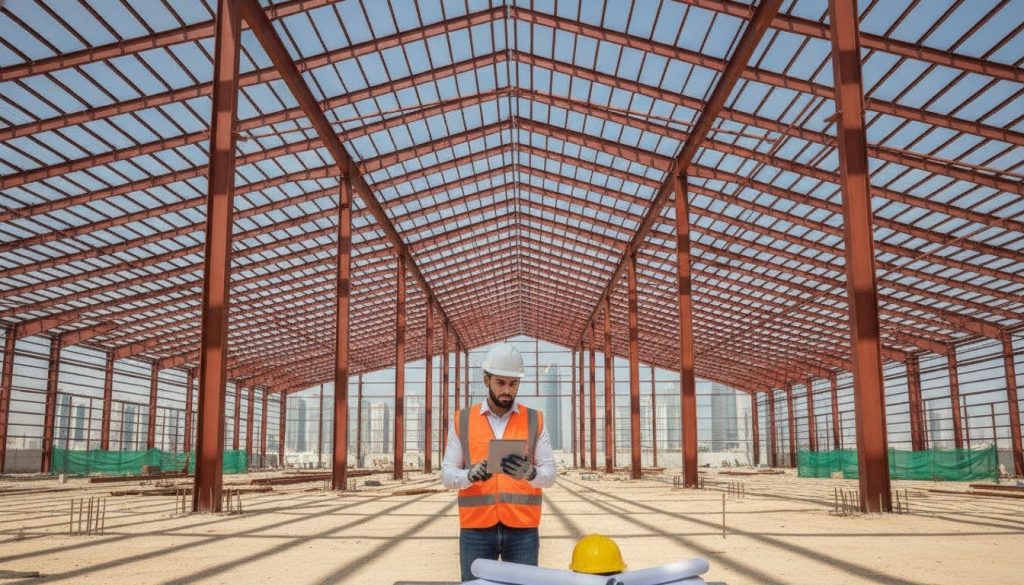
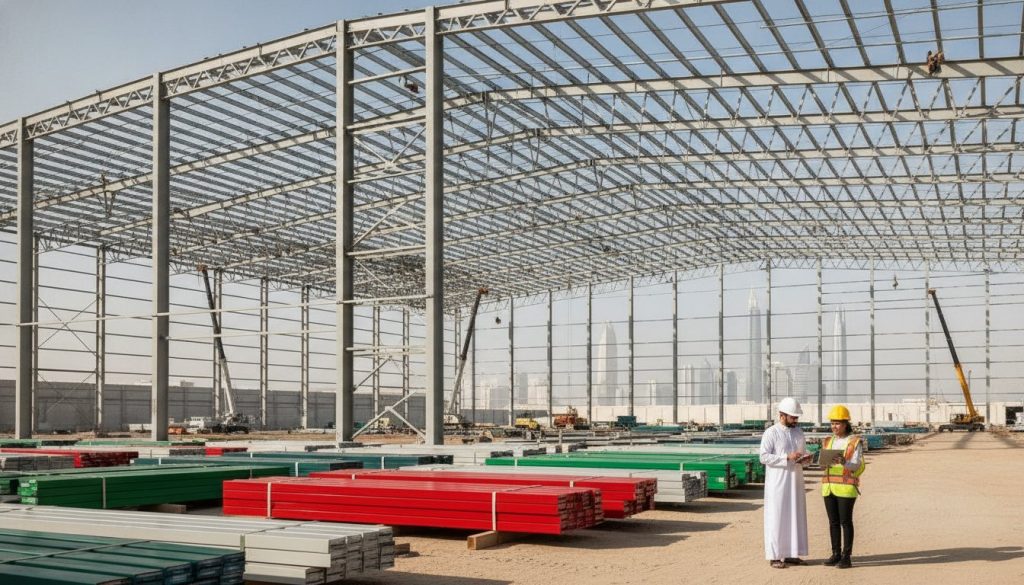
Large-scale infrastructure projects require a fundamental shift in how materials are acquired. Moving away from transactional, retail-based purchasing toward a strategic bulk steel supply model is essential for maintaining the fiscal and structural integrity of major works. This transition involves more than simply increasing order volumes; it necessitates a comprehensive understanding of supply chain variables that impact long-term project viability. Strategic procurement allows contractors to lock in material availability at a time when global steel demand is forecast to reach 1.72 billion tonnes in 2026. By establishing a foundational partnership with a national supplier, industrial buyers can ensure a consistent flow of MS beams, channels, and hollow sections. This stability is the cornerstone of operational excellence in the construction and energy sectors.
Volume vs. Value: Defining Bulk Procurement in 2026
Tonnage alone is a poor metric for success in high-volume industrial contracts. A robust bulk steel supply requires inventory depth that can absorb market volatility and sudden shifts in project requirements. For instance, with iron ore prices hovering around $99 per ton in late 2026, suppliers with deep stock reserves provide a critical buffer against price fluctuations. Industrial buyers must prioritize inventory that includes a wide range of structural sections. This includes everything from universal columns to specialized hollow sections. You can view our current range of available materials at our inventory portal. True value in bulk procurement is found in the intersection of material availability and scheduled delivery. It’s about having the right grade of steel on-site exactly when the assembly phase begins, rather than letting raw tonnage sit idle.
The Impact of Global Standards on National Supply Chains
National supply chains are increasingly sensitive to international trade frameworks. The implementation of Regulation (EU) 2026/1384 and the “Melt and Pour” traceability requirements have made technical transparency a non-negotiable standard. Industrial procurement teams must work with suppliers who can document the exact origin of their materials. This level of precision is vital for understanding steel properties and production history, which directly affects the performance of structural frameworks in harsh environments. Maintaining material consistency across massive projects requires a supplier who understands regional engineering demands. Whether it is managing the 50% duty on excess imports in certain jurisdictions or ensuring compliance with ASTM standards, the technical proficiency of your supply partner is paramount. A steady, dependable partner acts as a guide through these regulatory complexities, ensuring that your structural components remain compliant and your project timelines remain intact.
Essential Material Grades and Structural Sections in Bulk Inventory
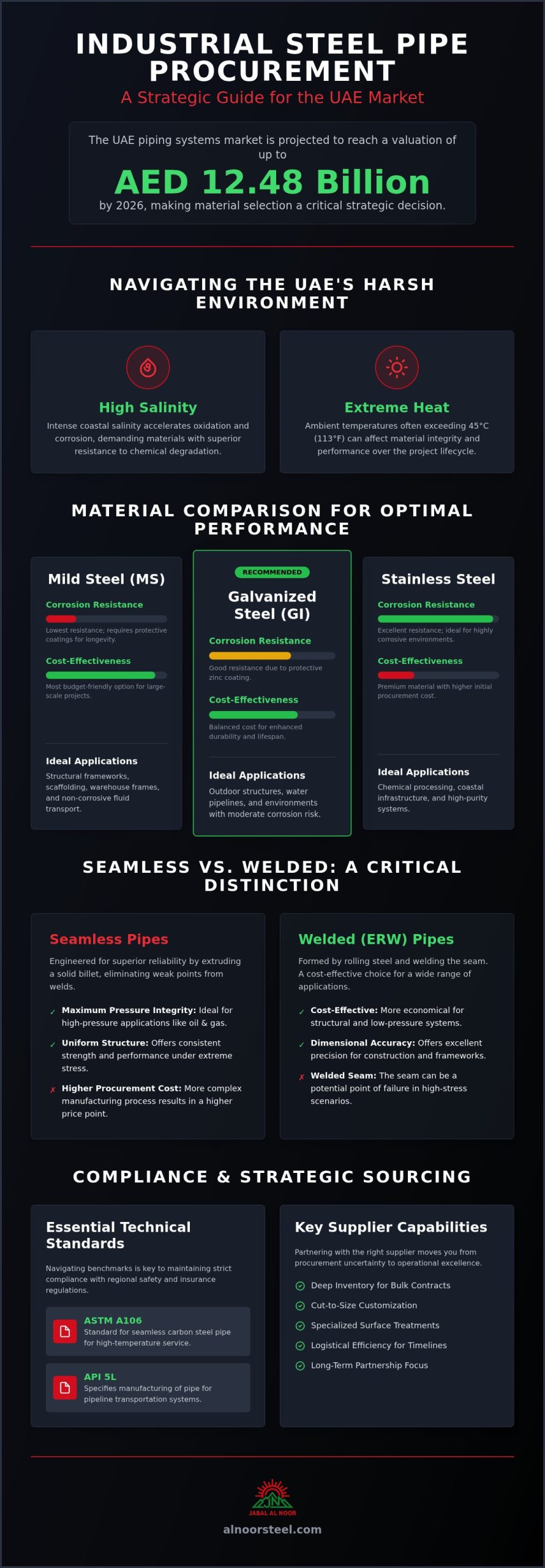
Efficient bulk steel supply is predicated on a comprehensive inventory that aligns with exact engineering specifications. In the industrial sector, material selection is a rigorous process where the specific mechanical properties of the steel must match the intended load-bearing requirements of the project. Whether the environment demands the corrosion resistance of GI and stainless steel or the foundational strength of mild steel, having immediate access to a diverse range of sections is vital for project continuity. A steady supplier ensures that these materials aren’t just available in volume, but are compliant with the technical benchmarks that define modern infrastructure.
Long Products: The Foundation of Structural Frameworks
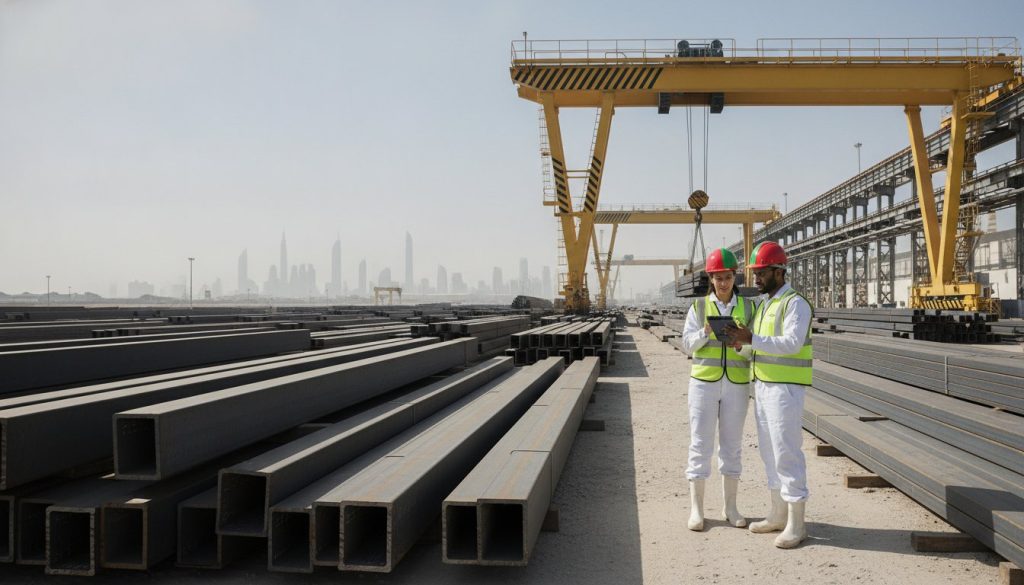
Structural integrity begins with the selection of primary load-bearing components. We maintain an extensive stock of MS Beams, H-Beams, and I-Beams, which serve as the skeletal framework for large-scale industrial facilities. These sections are complemented by the versatility of MS Channels and Angles, which provide essential support and bracing in diverse structural applications. For modern infrastructure projects requiring high strength-to-weight ratios, sourcing high-quality MS bars and hollow sections (RHS, SHS, and CHS) is necessary to ensure the endurance of the framework under stress. You can review the technical specifications of our long products to ensure they meet your project’s rigorous demands.
Navigating International Grades: ASTM vs. EN Standards
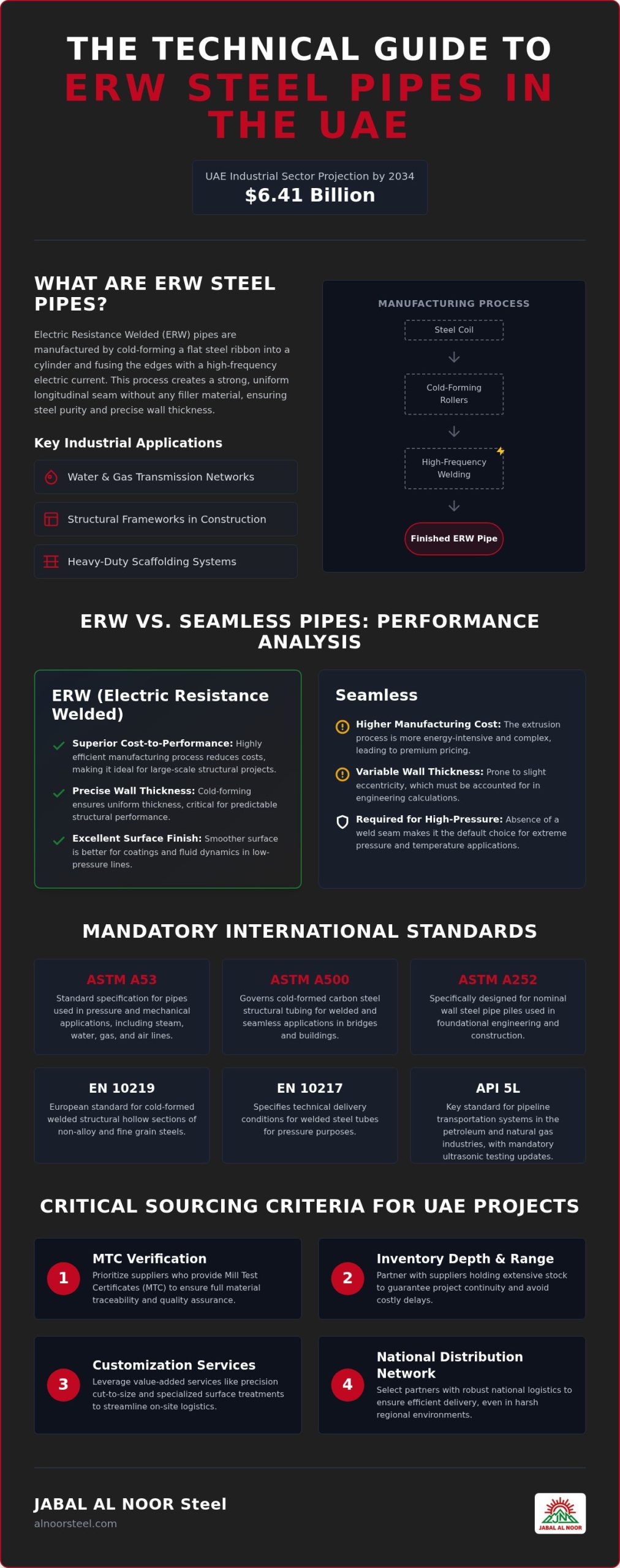
Compliance with global benchmarks is a prerequisite for any national infrastructure project. Procurement teams often find themselves comparing ASTM A36 and EN S235JR for general construction, as both offer reliable weldability and strength. However, for high-strength applications where weight reduction is a priority, ASTM A572 Grade 50 is frequently specified due to its higher yield point. Adhering to these international standards, including JIS and other regional benchmarks, is a critical factor in maintaining U.S. steel manufacturing competitiveness and ensuring global quality across supply chains. A knowledgeable supplier acts as a technical consultant, helping you navigate these standards to ensure every component in your bulk order meets the required safety and performance metrics.
Evaluating Bulk Steel Suppliers: Capability, Capacity, and Compliance
Selecting a partner for industrial procurement is a decision that dictates the operational efficiency of your entire project. While price is always a factor, high-stakes infrastructure demands a deeper evaluation focused on capability and technical compliance. A reliable bulk steel supply isn’t merely a commodity exchange; it’s a commitment to maintaining project momentum through rigorous quality assurance and logistical precision. You need a partner that understands the specific pressures of large-scale structural contracts and possesses the physical infrastructure to support them.
Inventory Depth vs. Just-in-Time Delivery
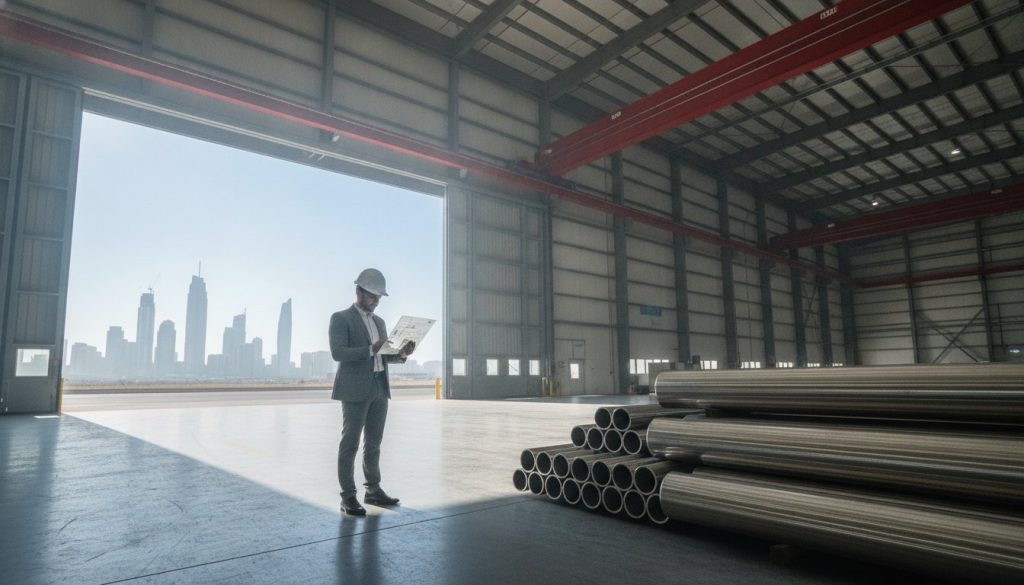
Many procurement teams fall into the trap of relying on trading partners who maintain minimal physical stock. This “thin-inventory” model creates significant risks when market demand spikes or global shipping lanes face disruption. According to the latest steel production data, fluctuations in output can lead to immediate shortages for those without a robust stocking strategy. A true stockist maintains a massive, ready-to-ship inventory of structural components. When evaluating a steel stockist in UAE, look for a partner with national reach and the financial capacity to hold high volumes of MS beams, channels, and hollow sections. This depth ensures project continuity even during periods of extreme market volatility.
Industrial Processing: Cut-to-Size and Surface Treatments
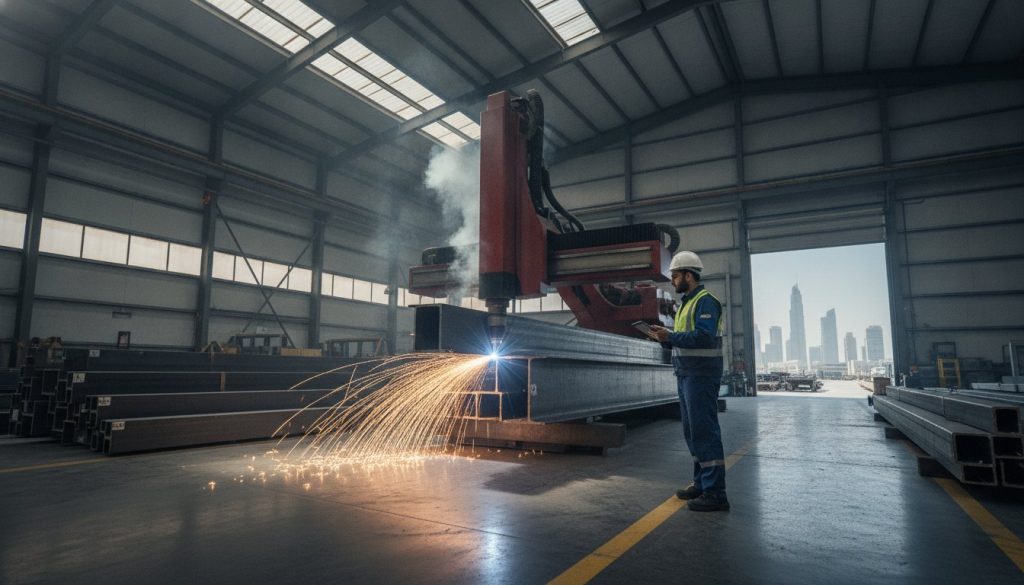
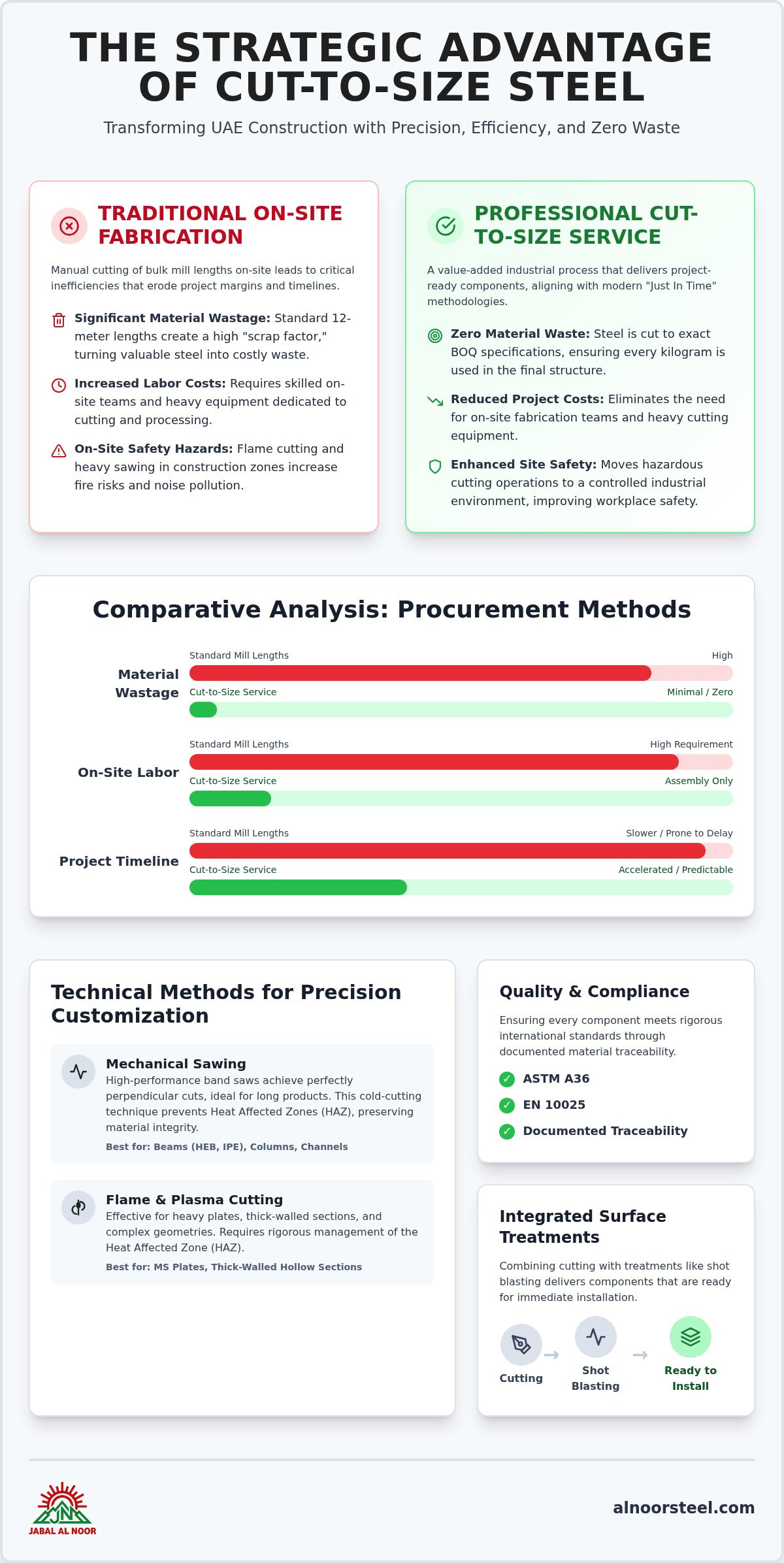
Technical expertise extends beyond simple distribution into specialized value-added services. For modern contractors, the logistical advantages of cut-to-size steel services are transformative. Pre-processed steel arrives on-site ready for immediate assembly, which significantly reduces labor costs and minimizes waste. Surface treatments, such as shot blasting and priming, are equally critical for ensuring long-term corrosion resistance in harsh industrial environments. These pre-processing capabilities streamline the supply chain, allowing your team to focus on construction rather than material preparation. It’s a methodical approach that prioritizes precision and long-term value over short-term savings.
Ultimately, the right partner acts as an authoritative guide through the complexities of high-volume structural contracts. They provide the technical documentation, material traceability, and logistical reliability that general brokers simply can’t match. By prioritizing capacity and compliance over the lowest initial bid, you secure a foundational pillar that supports the long-term value of your infrastructure. This steady and dependable approach is what separates successful industrial projects from those plagued by delays and material failures.
Strategic Procurement: Managing Logistics and Quality Assurance
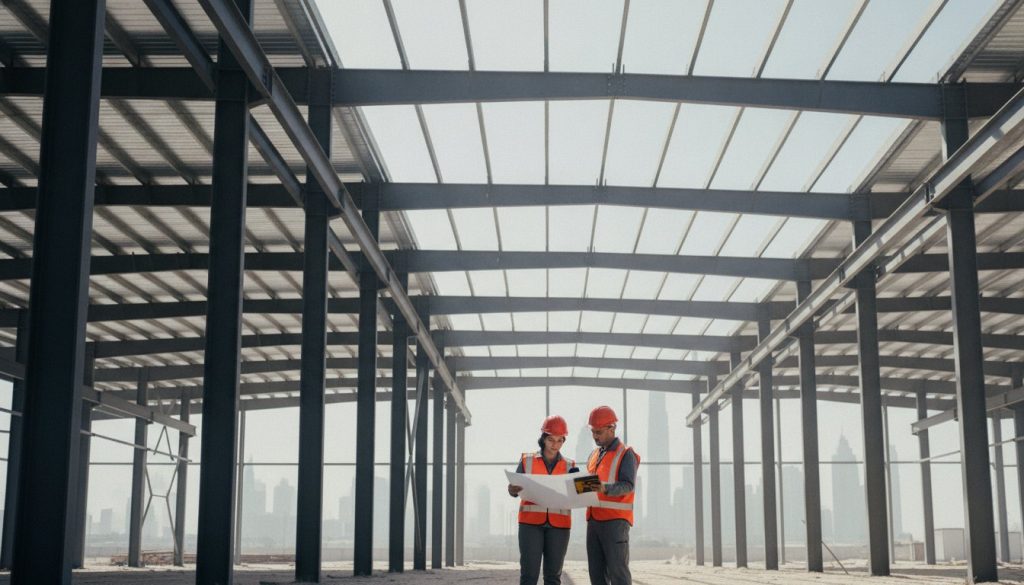
Managing a large-scale project requires a methodical approach to procurement that prioritizes long-term value over short-term savings. It’s a step-by-step framework that begins with precise material forecasting and concludes with rigorous on-site verification. A reliable bulk steel supply chain integrates quality control at every stage, from initial warehouse selection to the final offloading of heavy structural sections. This systematic oversight prevents the costly logistical bottlenecks that often occur when delivery schedules aren’t aligned with construction milestones. It’s about maintaining project momentum through unwavering operational excellence.
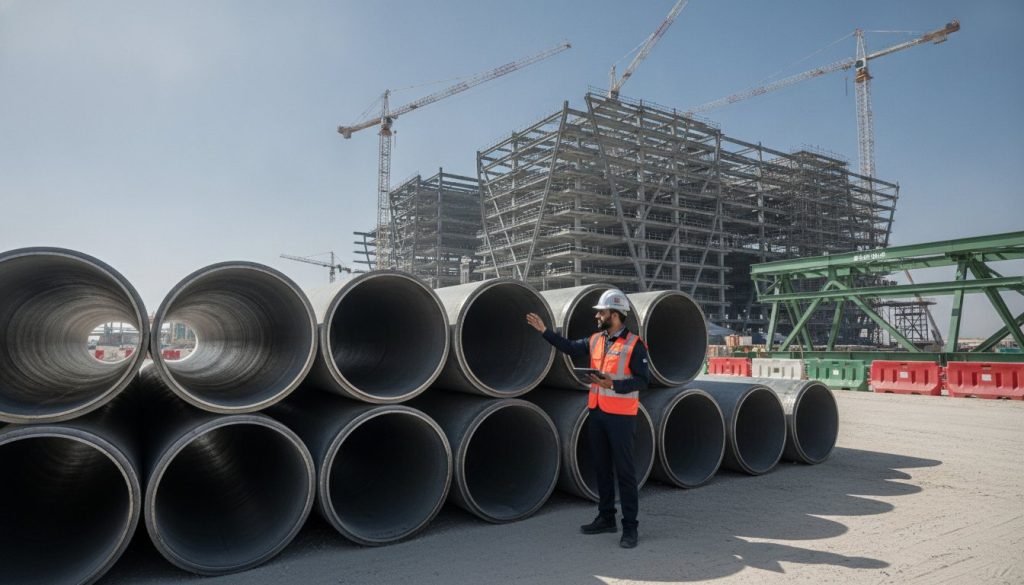
Logistical efficiency for heavy sections, such as universal beams and large hollow sections, demands specialized handling and planning. It is not enough to simply order the required tonnage. You must coordinate the transport of oversized loads to ensure they arrive when the site is prepared to receive them. This synchronization minimizes double-handling and reduces the risk of material damage during transit. By treating logistics as a core component of the procurement strategy, industrial buyers can protect their margins and ensure the structural integrity of the final framework.
Streamlining On-Site Logistics with Custom Steel Profiles
Precision customization is a primary driver of assembly speed in modern engineering. By utilizing steel profiles for engineering projects, contractors can significantly reduce material waste and on-site labor costs. Pre-processed sections arrive cut to exact lengths, allowing for immediate installation upon delivery. This optimization of the supply chain ensures that the delivery of complex structural components matches the planned pace of the construction sector. It allows for a predictable flow of materials that keeps the project on schedule and within budget.
Certification and Compliance in Industrial Steel Supply
Total traceability is the bedrock of industrial safety and ethical conduct. Every component in a bulk order must be accompanied by a Mill Test Certificate (MTC) that documents its chemical composition and mechanical properties. Adhering to structural steel quality standards is a non-negotiable requirement for high-stakes infrastructure. You must verify material grades and manufacturing origins to ensure compliance with project-specific engineering demands. Third-party inspections provide an additional layer of security, confirming that the bulk steel supply meets the rigorous benchmarks expected of a foundational pillar in the industry. This transparency builds the trust necessary for long-term partnerships.
You can browse our full inventory of certified structural components to secure the materials required for your next national infrastructure project.
Partnering with JABAL AL NOOR Steel for National Infrastructure Excellence
JABAL AL NOOR Steel has operated as a foundational pillar of the national industrial landscape since 2010. We prioritize the rigorous quality benchmarks required for high-stakes energy and infrastructure projects. Our commitment to operational excellence ensures that every structural component we deliver meets the highest standards of endurance. We understand that your project’s success relies on a transparent and reliable entity that values precision above all else. This professional approach has allowed us to build long-term partnerships rooted in trust and technical proficiency.
Our role in the industry is defined by a sense of stability and unwavering confidence. We don’t just act as a middleman; we function as a seasoned veteran that understands the specific pressures of large-scale construction. By maintaining a grounded and reliable presence, we reassure our clients of our capability to handle the most complex industrial requirements. This established voice is deeply rooted in the local industrial landscape, providing a sense of security for every collaborator we serve.
Comprehensive Inventory of Structural Long Products
We maintain a massive national inventory that serves as a strategic reserve for the construction sector. Our stock includes a comprehensive range of Universal Beams, Columns, and Channels, all compliant with international engineering standards. For projects in harsh environments, we source specialized GI, PPGI, and stainless steel products to prevent corrosion and ensure structural longevity. This logistical capability allows us to support massive frameworks without the delays associated with smaller, less-equipped trading partners. We focus on providing the specific material grades required for the most demanding engineering projects.
Industrial Processing and Surface Treatment Solutions
A successful procurement strategy requires the seamless integration of material supply and industrial processing. We provide advanced cut-to-size customization to meet the precision requirements of complex engineering designs. Our facility also offers specialized surface treatments, including shot blasting and priming, which enhance the durability of structural sections before they reach the site. These value-added services are essential for streamlining assembly and reducing on-site labor. If you are preparing for a high-volume project, our team is available for bulk steel supply consultations to help you navigate the technical and logistical requirements of your contract.
Our legacy is built on reliability and a deep understanding of the regional industrial landscape. We provide the technical proficiency and dependable support necessary for national infrastructure excellence. By choosing a partner that prioritizes stability and global quality, you ensure your project remains a benchmark of industrial achievement. Our methodical and steady approach mirrors the planned pace of the engineering sectors we serve, ensuring a secure and professionally curated experience.
Advancing Industrial Excellence Through Strategic Partnership
Mastering the complexities of 2026 procurement requires a transition from transactional buying to a strategic partnership model. You’ve seen that a reliable bulk steel supply depends on more than just volume; it’s a commitment to technical precision and logistical synchronization. By prioritizing material grades that meet ASTM and EN standards and leveraging pre-processing services like cut-to-size customization, you can eliminate site delays and ensure the structural integrity of your framework. These methodical steps protect your project’s fiscal health and long-term durability.
JABAL AL NOOR Steel has served as a foundational pillar for industrial success since 2010. We maintain a massive inventory and provide national supply coverage to support high-stakes infrastructure across the country. Our team ensures full compliance with international standards, providing the technical documentation and reliability your project demands. We invite you to explore our industrial steel inventory and request a quote today. Let’s build a legacy of operational excellence together.
Frequently Asked Questions
What are the primary benefits of bulk steel supply for construction projects?
Securing a bulk steel supply provides significant cost-efficiency through economies of scale and protects projects from market price volatility. It ensures project continuity by maintaining a consistent inventory of essential structural components on-site, ready for immediate assembly. This procurement model allows contractors to lock in specific material grades, preventing delays caused by sudden global shortages. By centralizing supply, you streamline the administrative process and maintain a high standard of operational excellence.
Which international steel grades are most common in the UAE market?
The national industrial market primarily utilizes ASTM and EN standards to ensure structural integrity across various environments. Common grades include ASTM A36 for general construction and EN S235JR or S355JR for projects requiring specific European technical benchmarks. For high-strength applications where weight reduction is a priority, ASTM A572 Grade 50 is frequently specified. These grades are essential for maintaining the high standards required for large-scale infrastructure and energy projects throughout the country.
How do I ensure the quality and traceability of bulk steel orders?
Total traceability is achieved through the mandatory provision of Mill Test Certificates (MTC) for every component in your order. These documents verify the chemical composition and mechanical properties of the steel, ensuring they match your engineering specs. You should also verify manufacturing origins and consider third-party inspections for high-stakes contracts. This level of oversight confirms that the materials meet rigorous international safety requirements before they are integrated into the final structural framework.
What value-added processing services are available for bulk structural steel?
We provide specialized industrial processing designed to reduce on-site labor and improve assembly speed. Available services include advanced cut-to-size customization for all long and flat products, ensuring sections arrive ready for immediate installation. We also offer surface treatments like shot blasting and priming to enhance corrosion resistance and material longevity. These value-added services streamline the procurement process, allowing your team to focus on construction rather than material preparation at the project site.
How does JABAL AL NOOR Steel manage logistical delivery for large-scale contracts?
JABAL AL NOOR Steel manages logistical delivery through a dedicated infrastructure that prioritizes national reach and project synchronization. We coordinate the transport of heavy structural sections and oversized loads to ensure they arrive according to your specific construction milestones. This methodical approach minimizes double-handling and protects your project’s fiscal margins by preventing site bottlenecks. Our steady and dependable logistics network mirrors the planned pace of the engineering sector, providing a professionally curated delivery experience.
Can I customize the lengths of structural beams and channels in a bulk order?
Precision customization is a core service that allows you to specify exact lengths for all structural beams, channels, and hollow sections. Our cut-to-size services utilize industrial-grade equipment to ensure every section meets your engineering profiles with absolute accuracy. This customization significantly reduces material waste and eliminates the need for extensive on-site modifications. It’s a critical component of a modern procurement strategy that prioritizes efficiency and reduces the total labor costs associated with large-scale frameworks.
What is the difference between ASTM and EN standards in structural steel?
The primary difference lies in the regional origin and specific technical benchmarks defined by the American Society for Testing and Materials (ASTM) versus European Standards (EN). While both ensure high quality, they have slight variations in chemical composition and yield strength requirements. For example, ASTM A36 is a common standard for mild steel, while EN S235JR is its European equivalent often used in similar applications. Understanding these nuances is vital for selecting the correct material grade for your project.
How do surface treatments like shot blasting benefit structural steel?
Surface treatments are essential for protecting structural steel from aggressive environmental factors in industrial settings. Shot blasting removes mill scale and rust, creating a clean surface that ensures superior adhesion for protective coatings. Priming then provides an initial layer of defense against oxidation and corrosion. These processes significantly extend the service life of structural components, reducing long-term maintenance requirements and ensuring the endurance of the foundational framework in harsh or corrosive environments.